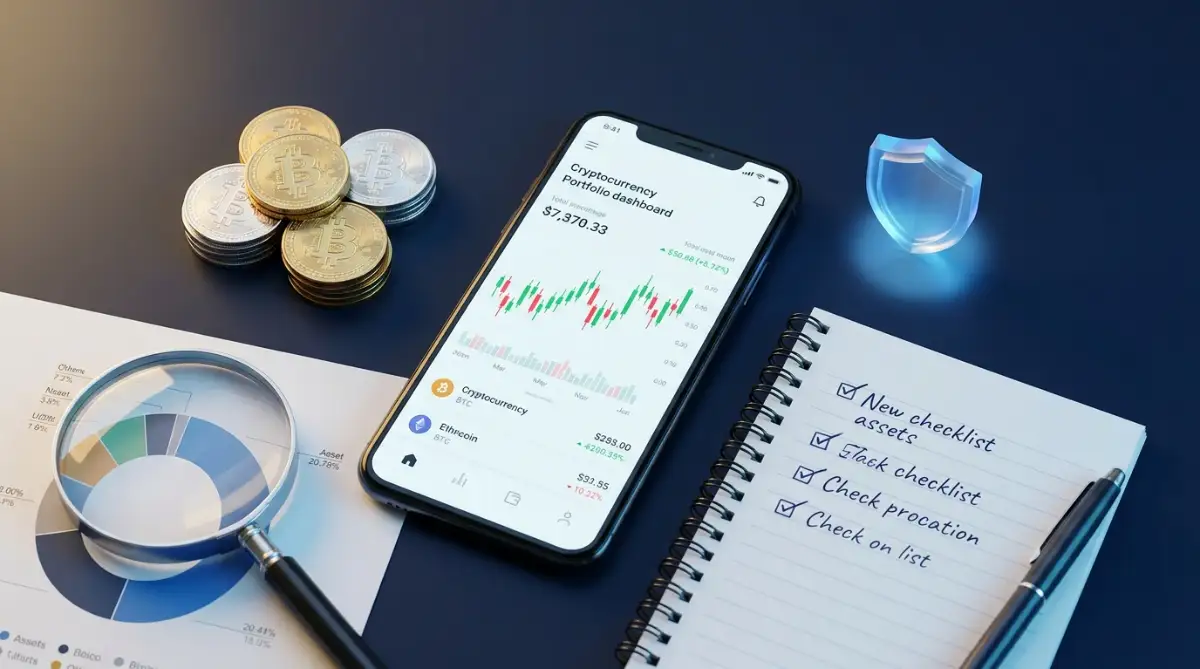
Risk Management Rules Every New Crypto Investor Should Follow
Cryptocurrency has changed the way people look at investing. With the chance for fast growth, global access, and new blockchain tech, millions of new investors jump into crypto every year. But while the upside gets all the attention, the risks often surprise beginners.
A lot of first-time investors focus only on finding the next coin that might explode in value. They spend hours chasing trending tokens, following influencers, and scrolling social media. But very few actually take time to learn how to protect their money before they invest.
Good investing isn’t just about making profits. It’s also about avoiding unnecessary losses. That’s where risk management becomes one of the most important skills in crypto.
Whether the market is pumping or crashing, having simple risk rules in place helps you stay calm, avoid emotional decisions, and improve your long-term results.
This guide breaks down the key risk management rules every new crypto investor should know before putting in real money.
Why Risk Management Matters More Than Picking the Perfect Coin
A lot of beginners think success comes from choosing the “right” crypto. While picking strong projects is important, even the best coins go through big price swings.
Crypto is highly volatile. Prices can change fast because of things like:
- Market sentiment
- Global economic news
- Government regulations
- Exchange updates or issues
- Big investor moves
- Tech upgrades or delays
Without a plan to handle these ups and downs, it’s easy to panic during drops or get overconfident during rallies.
Risk management helps you stay consistent instead of relying on luck.
Understanding Investment Risk Before Buying Cryptocurrency
Every investment comes with some level of uncertainty.
Knowing the main types of risk helps you set realistic expectations.
Market Volatility
Crypto can go up fast—but it can also drop just as quickly.
A coin that’s up 20% one week might be down 30% the next. Many beginners don’t realize how stressful these swings can feel in real time.
Regulatory Changes
Governments are still figuring out crypto rules.
New taxes, trading restrictions, or exchange regulations can impact prices and overall market confidence.
Security Risks
Crypto requires you to take security seriously.
Weak passwords, phishing scams, fake apps, and exchange hacks are still very real risks.
Emotional Risk
Honestly, fear and greed cause more losses than the market itself.
Buying out of excitement and selling out of panic are two of the most common beginner mistakes.
Never Invest Money You Cannot Afford to Lose
This is probably the most important rule in crypto.
The market is unpredictable.
You should never invest money meant for rent, bills, savings, education, or emergencies into crypto.
Instead, only use extra money that won’t affect your daily life if things go wrong.
When your finances are stable, it’s much easier to stay calm and make better decisions.
Create Clear Investment Goals Before Entering the Market
Investing without a plan usually leads to random decisions.
Before buying any crypto, ask yourself:
What is your goal?
It could be:
- Long-term wealth building
- Diversifying your portfolio
- Learning about crypto
- Slow and steady growth
How long do you plan to invest?
Some people hold for years, others for months. Your timeline matters.
How much risk are you okay with?
Everyone handles volatility differently. Knowing your comfort level helps you avoid panic later.
Diversify Instead of Depending on One Cryptocurrency
Putting all your money into one coin is risky.
Diversification spreads your risk across different assets.
Many investors mix things like:
- Established cryptocurrencies
- Large ecosystem projects
- Infrastructure-focused coins
- Stable assets when needed
- Carefully researched new projects
It won’t remove risk completely, but it can soften the impact if one investment goes badly.

Avoid Emotional Investing During Market Swings
Emotions get intense when prices move a lot.
When prices pump, people feel FOMO (fear of missing out).
When prices drop, panic selling kicks in.
Neither is a good decision-making strategy.
Instead, try to stick to your plan no matter what the market is doing.
Helpful habits include:
- Following your strategy
- Staying calm during news cycles
- Avoiding impulsive trades
- Taking time before acting
Patience is often what separates good investors from emotional ones.
Learn the Importance of Position Sizing
Position sizing simply means how much you put into one investment.
A common beginner mistake is going too big on one coin because of hype or online tips.
A better approach is to spread your money out.
It’s all about balance and control.
Build Knowledge Before Following Market Trends
Social media is full of coins that look like they’re “about to explode.”
Some of them do well—but many don’t last.
Instead of jumping in based on hype, take time to research:
Project Purpose
What problem is it actually solving?
Real use cases usually matter more than hype.
Development Team
Is the team known? Do they have experience?
Transparency is usually a good sign.
Community Activity
Healthy communities focus on learning and development, not just price hype.
Token Supply
Understanding supply and distribution helps you see how scarce or inflationary a token might be.
Doing your own research helps you make smarter decisions and rely less on hype.
Keep Your Portfolio Safe With a Consistent Investment Strategy
One of the biggest differences between experienced investors and beginners is consistency. Successful investors usually don’t react to headlines or sudden market hype. Instead, they stick to a strategy that fits their financial goals and risk tolerance.
Having a written investment plan can really help take emotions out of the equation. It doesn’t need to be complicated, but it should cover things like:
- How much you’ll invest each month
- Which types of cryptocurrencies you’re open to
- How often you’ll check in on your portfolio
- When you’ll increase or reduce your exposure
When the market gets unpredictable, having clear rules in place makes it way easier to stay on track.
Consider Dollar-Cost Averaging Instead of Trying to Time the Market
A lot of new investors spend tons of time trying to figure out the “perfect” moment to buy crypto.
The truth is, even professionals struggle to consistently time the market.
That’s where Dollar-Cost Averaging (DCA) comes in.
Instead of putting in a large amount all at once, you invest smaller amounts on a regular schedule. This has a few big benefits:
- It takes the emotion out of short-term price swings
- It builds consistent investing habits
- It helps you avoid going all-in at the wrong time
- It encourages a long-term mindset
No strategy guarantees profits, but steady investing can make the whole process a lot less stressful.
Set Your Own Risk Limits Before Every Investment
Before buying any cryptocurrency, figure out how much you’re actually okay with potentially losing.
A lot of investors only ask:
"How much can I make?"
But a better question is:
"How much am I comfortable losing if this doesn’t work out?"
Setting clear risk limits helps you stay calm and make more rational decisions.
Some people cap how much of their portfolio goes into high-risk assets, while others set strict limits per project.
Whatever you choose, the key is sticking with it instead of constantly changing your rules.
Check Your Portfolio Regularly Without Obsessing Over Prices
Checking prices every few minutes usually doesn’t help your performance.
If anything, it just adds stress and leads to impulsive decisions.
A better approach is to set regular check-ins for your portfolio.
During those reviews, ask yourself things like:
- Does my portfolio still match my goals?
- Has one asset become too large and risky?
- Have any projects changed in a meaningful way?
- Am I still following my original plan?
This keeps you grounded without turning investing into a constant emotional rollercoaster.
Keep Track of Your Investments
A lot of beginners overlook tracking their investments, but it’s actually really useful.
Good records help you:
- See how your portfolio is performing overall
- Track your average buy-in prices
- Learn from past decisions
- Stay organized for personal financial tracking
Simple spreadsheets or apps work just fine.
Over time, this also helps you spot patterns in your own investing behavior—both good and bad.
Learn to Spot Common Crypto Scams
Unfortunately, scams are still pretty common in crypto.
Knowing the warning signs can save you a lot of trouble.
Be careful with things like:
Guaranteed Returns
No real investment can promise profits with zero risk.
If you see “guaranteed income” or “risk-free crypto,” that’s a major red flag.
Unrealistic Profit Claims
If something claims it will 10x or 100x in days without solid proof, it’s usually not trustworthy.
Good investing is about realistic expectations, not hype.
Fake Giveaways
Scammers often pretend to be well-known people or companies offering fake crypto giveaways.
A big warning sign is being asked to send crypto first to “receive more back.”
Phishing Attempts
Always double-check website links before entering any wallet or login info.
Even small spelling differences can lead to fake sites designed to steal your data.
Take Wallet Security Seriously
Protecting your crypto is just as important as choosing what to invest in.
Good habits include:
- Using strong, unique passwords
- Turning on two-factor authentication
- Backing up recovery phrases offline
- Never sharing private keys
- Keeping software up to date
Your recovery phrase is basically the key to your entire wallet.
Keep it offline, private, and never share it with anyone.
Stay Updated With Reliable Sources
Crypto changes fast.
New projects, updates, regulations, and trends show up all the time.
Instead of relying only on social media, try learning from:
- Official project documentation
- Trusted educational websites
- Academic research when available
- Reputable financial publications
- Established developer communities
The more you learn over time, the more confident your decisions will become.

Common Mistakes New Crypto Investors Make
A lot of common mistakes are actually avoidable once you know what to look for.
Investing Without Research
Buying something just because someone online mentioned it is risky.
Always understand what you’re putting your money into.
Ignoring Security
Even good investments don’t matter if your assets get stolen due to poor security habits.
Security should come first.
Chasing Every New Trend
Just because something is trending doesn’t mean it’s a good long-term investment.
Hype fades quickly.
Making Decisions Based on Fear
Market dips are normal.
Selling in panic often locks in losses unnecessarily.
Expecting Quick Wealth
Crypto isn’t a shortcut to instant riches.
Thinking that way usually leads to disappointment and poor decisions.
Building Long-Term Confidence as a Crypto Investor
Real confidence comes from preparation, not guessing the market.
Instead of trying to predict every move, focus on building habits that hold up over time:
- Keep learning
- Manage your portfolio responsibly
- Prioritize security
- Stay emotionally disciplined
- Set realistic expectations
- Invest consistently
Over time, these habits matter way more than trying to “time” the market perfectly.
Every experience—good or bad—helps you improve as an investor.
Moving Forward With a Smarter Risk Management Mindset
Every solid investing journey starts with protecting your money first, not chasing returns.
Markets will always go through ups and downs—growth, hype, uncertainty, and corrections. That’s just how investing works.
Instead of trying to predict everything, focus on building a simple, disciplined approach based on research, diversification, realistic expectations, and strong security.
As you gain experience, keep refining your strategy, revisit your plan regularly, and remember: protecting your capital is one of the most important parts of becoming a successful crypto investor.
Disclaimer
This article is intended for educational and informational purposes only and should not be considered financial, investment, legal, or tax advice. Cryptocurrency investments involve significant risk, and market prices can be highly volatile. Always conduct your own research, evaluate your financial situation carefully, and consider consulting a qualified financial professional before making investment decisions.