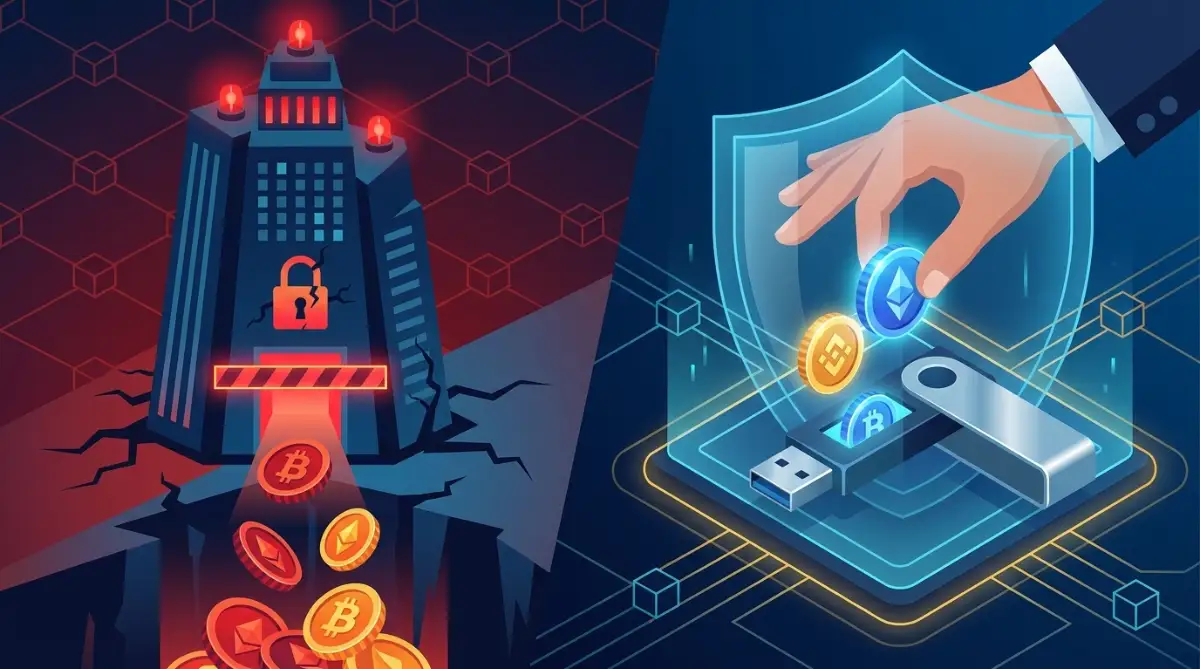
What Happens to Your Coins If an Exchange Suddenly Shuts Down?
Cryptocurrency has transformed the way people invest, save, and transfer money. Millions of investors trust centralized cryptocurrency exchanges to buy, sell, and store their digital assets because these platforms offer convenience, speed, and user-friendly features.
However, one question often goes unanswered until it's too late:
What happens to your coins if the exchange suddenly shuts down?
This isn't just a hypothetical concern. Exchanges may suspend withdrawals, experience financial difficulties, face security breaches, or stop operating because of regulatory actions. When that happens, users can find themselves locked out of their own funds for days, months, or even longer.
Understanding how exchanges work—and more importantly, understanding who actually controls your cryptocurrency—is essential for anyone investing in digital assets.
This guide explains what may happen during an exchange shutdown, why some users recover their assets while others do not, and the practical steps every crypto investor should know to reduce unnecessary risks.
Why Many Investors Keep Their Coins on Exchanges
For beginners, keeping cryptocurrency on an exchange feels natural.
After purchasing Bitcoin, Ethereum, or another cryptocurrency, the coins appear in the account balance immediately. Everything seems organized in one dashboard, making portfolio management simple.
Some common reasons investors leave their assets on exchanges include:
- Easy access for trading
- Fast buying and selling
- No need to manage wallet backups
- Simple mobile applications
- Integrated security features
Although these advantages make exchanges attractive, convenience always comes with trade-offs.
The biggest trade-off is that the exchange controls the private keys, not the user.
This single fact changes everything during an unexpected shutdown.
Understanding Who Really Owns the Crypto
Many new investors believe that seeing coins inside an exchange account means they fully control those assets.
Technically, that's not always true.
Cryptocurrency ownership depends on possession of the private keys, not simply an account balance displayed on a website.
When assets remain inside a centralized exchange:
- The exchange holds the private keys.
- Users receive access through their account.
- Withdrawals depend on the platform remaining operational.
This is why experienced crypto investors often repeat a common principle:
If you don't control the private keys, you don't have complete control over the coins.
That doesn't mean exchanges are inherently unsafe, but it highlights the importance of understanding how custody works.
What Can Cause a Crypto Exchange to Shut Down?
An exchange can stop operating for several different reasons.
Understanding these possibilities helps investors prepare before problems arise.
Financial Problems
Poor financial management, excessive debt, or liquidity shortages may prevent an exchange from processing withdrawals.
Sometimes the platform simply doesn't have immediate access to enough customer assets.
Large-Scale Security Breaches
Hackers continually target cryptocurrency exchanges because they often store enormous amounts of digital assets.
A successful attack can force an exchange to suspend services while investigating losses.
Regulatory Actions
Governments and financial regulators may require exchanges to halt operations if legal requirements aren't met.
This may include licensing issues, compliance failures, or investigations.
Internal Mismanagement
Poor leadership, operational mistakes, or inadequate risk management can gradually weaken an exchange until it becomes unable to continue serving customers.
Technical Failures
Major infrastructure failures, software bugs, or prolonged outages may temporarily prevent users from accessing their accounts.
Although temporary downtime differs from permanent closure, it can still create significant stress during volatile market conditions.
What Usually Happens When an Exchange Stops Operating?
The exact process depends on the reason for the shutdown.
However, many situations follow a similar pattern.
Withdrawals May Be Frozen
The first noticeable sign is often suspended withdrawals.
Users may still see their balances but cannot transfer assets elsewhere.
This creates uncertainty because the funds appear available while remaining inaccessible.
Trading May Stop
The exchange may pause all buying and selling activities to stabilize the platform.
Prices shown inside the exchange may no longer reflect live market conditions.
Official Announcements Are Released
Responsible exchanges typically publish updates explaining:
- Service interruptions
- Investigation progress
- Recovery plans
- Expected timelines
Unfortunately, communication quality varies greatly between platforms.
Identity Verification May Increase
Users may need to complete additional verification before withdrawals resume.
This often happens during legal proceedings or recovery efforts.
Long Waiting Periods
Recovery can take weeks or significantly longer depending on the complexity of the situation.
Patience becomes essential during these periods.
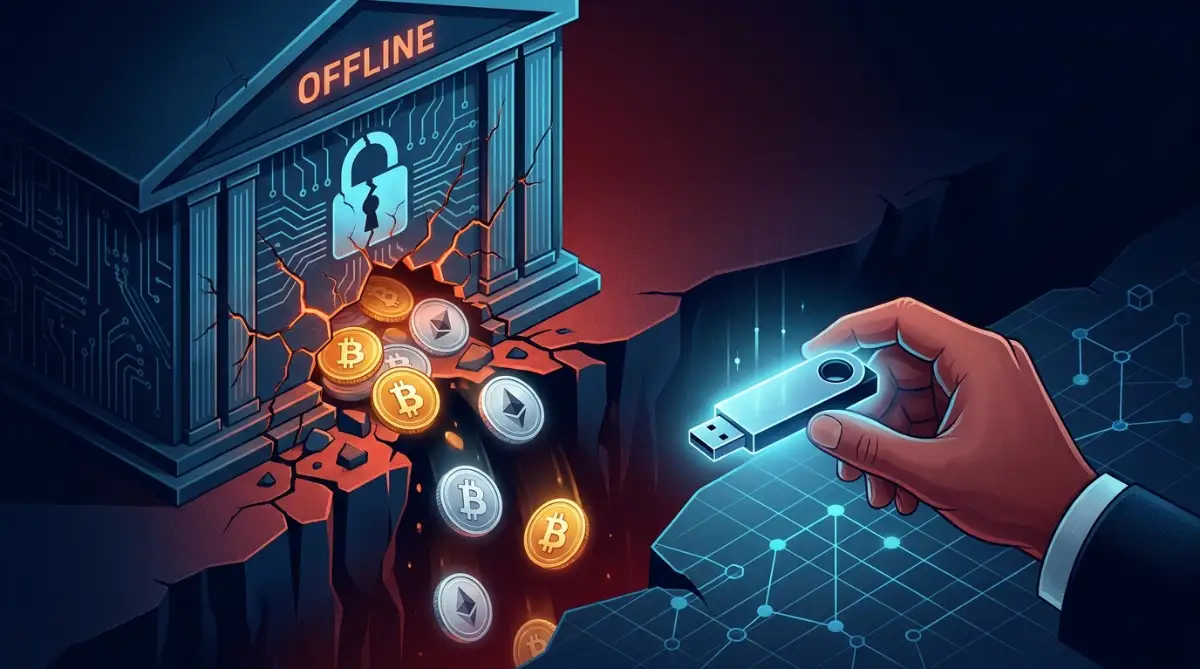
Are Customer Funds Always Lost?
Fortunately, not necessarily.
Several different outcomes are possible.
Scenario One: Temporary Suspension
Some exchanges pause operations while resolving technical or regulatory issues.
If assets remain secure, users may eventually regain full access.
Scenario Two: Partial Recovery
In some situations, users recover only part of their holdings after legal processes finish.
Recovery percentages vary depending on available assets and outstanding liabilities.
Scenario Three: Extended Legal Process
If an exchange enters bankruptcy or restructuring, customer claims may become part of lengthy legal proceedings.
Users often need to submit documentation proving account ownership.
Scenario Four: Complete Loss
If customer funds were stolen, mismanaged, or cannot be recovered, some investors may face permanent losses.
This represents the worst-case scenario and reinforces the importance of proactive security.
Why Diversification Matters Beyond Investments
Diversification isn't only about owning different cryptocurrencies.
It also applies to where assets are stored.
Keeping every coin on a single exchange creates a single point of failure.
Many experienced investors spread assets across:
- Multiple trusted exchanges
- Personal hardware wallets
- Software wallets
- Long-term cold storage
This approach reduces dependence on one company.
Even if one platform experiences difficulties, other assets remain accessible.
The Difference Between Custodial and Self-Custody Storage
Understanding this distinction is one of the most valuable lessons for crypto investors.
Custodial Storage
With custodial storage:
- The exchange manages security.
- Private keys remain under platform control.
- Password recovery is usually available.
- Trading is fast and convenient.
This suits many beginners but introduces reliance on the platform.
Self-Custody Storage
With self-custody:
- You control the private keys.
- You become responsible for backups.
- Nobody can reset your recovery phrase.
- Assets remain independent of exchange operations.
While self-custody requires greater responsibility, it significantly increases personal control over digital assets.
Common Misconceptions About Exchange Safety
Many investors unknowingly believe myths that create unnecessary risks.
"Large Exchanges Can Never Fail"
Size doesn't guarantee permanent stability.
Even well-known companies can encounter unexpected challenges.
"My Balance Means My Coins Are Always Available"
Displayed balances do not always guarantee immediate withdrawal access during emergencies.
"Insurance Covers Everything"
Some exchanges offer limited protections, but coverage often has conditions and exclusions.
Reading official policies is always recommended.
"It Won't Happen to Me"
Risk management becomes valuable precisely because unexpected events cannot always be predicted.
The most prepared investors usually plan before problems appear.
Early Warning Signs That Deserve Attention
Investors should remain observant when using any exchange.
Potential warning signs may include:
- Repeated withdrawal delays
- Poor customer support response
- Unexpected maintenance lasting unusually long
- Frequent system outages
- Lack of transparent communication
- Confusing policy changes
- Growing reports of unresolved user complaints
These signs don't automatically mean an exchange will fail.
However, they may justify reviewing your risk exposure and staying informed through official announcements.
Practical Steps to Protect Your Cryptocurrency Before Problems Begin
The best time to prepare for an exchange shutdown is before anything goes wrong. Once withdrawals are suspended or a platform becomes inaccessible, your options may become limited. Building good security habits early can significantly reduce risk and help you stay in control of your digital assets.
Choose Reputable Exchanges Carefully
Not all cryptocurrency exchanges operate with the same level of transparency or security. Before creating an account or depositing funds, spend time researching the platform.
Consider factors such as:
- A long history of reliable operations
- Transparent security practices
- Public information about leadership and company registration
- Strong customer support
- Compliance with applicable regulations
- Independent security audits when available
- Clear proof of reserve reports if provided
A trustworthy exchange should communicate openly with its users rather than relying on vague promises.
Avoid Treating an Exchange Like a Bank Account
Many investors accidentally use exchanges as permanent storage.
Remember that an exchange is primarily designed for buying, selling, and trading digital assets—not necessarily for long-term storage.
A practical habit is:
- Keep only the funds needed for active trading on an exchange.
- Store long-term investments in a wallet where you control the private keys whenever appropriate for your circumstances.
This approach reduces exposure if one platform experiences unexpected problems.
Learn How Cryptocurrency Wallets Work
Every investor should understand the different types of crypto wallets.
Hot Wallets
Hot wallets remain connected to the internet.
Advantages include:
- Quick access
- Easy transfers
- Convenient for everyday transactions
Potential limitations include greater exposure to online threats if proper security practices are not followed.
Cold Wallets
Examples include hardware wallets and other offline storage solutions.
However, users become fully responsible for protecting recovery information.
Protect Your Recovery Phrase
If you use a self-custody wallet, the recovery phrase becomes one of the most important pieces of information you own.
Good practices include:
- Write it down clearly.
- Store it in a secure location.
- Keep multiple secure backups when appropriate.
- Never share it with anyone.
- Never store it publicly online.
- Be cautious of phishing attempts asking for your recovery phrase.
Anyone with access to your recovery phrase may gain control of your wallet.
Build Strong Account Security Habits
Exchange security is important, but your personal account security matters just as much.
Simple habits can prevent many common attacks.
Use Strong, Unique Passwords
Avoid reusing passwords across multiple websites.
A strong password should be:
- Long
- Unique
- Difficult to guess
- Not based on personal information
Password managers can help generate and store complex passwords securely.
Enable Two-Factor Authentication
Two-factor authentication (2FA) adds another layer of protection.
Even if someone discovers your password, they still need the second authentication factor.
Authenticator applications generally provide stronger protection than SMS-based verification, although every user's situation is different.
Watch for Phishing Attempts
Scammers frequently imitate legitimate exchanges.
Common warning signs include:
- Fake login pages
- Suspicious email links
- Unexpected messages requesting verification
- Fake customer support accounts
- Requests for passwords or recovery phrases
Always verify website addresses before entering login credentials.
Keep Devices Updated
Security updates fix known software vulnerabilities.
Regularly update:
- Operating systems
- Browsers
- Wallet applications
- Antivirus software
- Mobile devices
Keeping software current reduces exposure to known security risks.
What to Do If Your Exchange Suddenly Stops Operating
A calm, organized response is often more effective than acting out of panic.
Stay Informed Through Official Sources
When an exchange experiences problems, rumors spread quickly.
Instead of relying on social media speculation:
- Check the official website.
- Read verified announcements.
- Follow official customer support channels.
- Monitor regulatory updates if applicable.
Accurate information helps you make better decisions.
Keep Records of Your Account
Documentation may become important if recovery processes begin.
Useful records include:
- Account ID
- Deposit history
- Withdrawal history
- Transaction receipts
- Screenshots of balances
- Identity verification confirmations
These records may help establish account ownership if requested.
Avoid Falling for Recovery Scams
Whenever a major exchange experiences difficulties, scammers often appear.
Be cautious if someone promises:
- Guaranteed recovery
- Fast compensation
- Special withdrawal access
- Priority processing for a fee
Legitimate recovery processes rarely require payments to unknown individuals.
Monitor Official Recovery Instructions
If administrators begin returning customer assets, carefully follow the published instructions.
Deadlines, verification requirements, and documentation requests should be completed accurately and only through official channels.
Long-Term Habits That Reduce Risk
Successful cryptocurrency investing is not only about choosing the right coins.
It also involves building sustainable security habits.
Review Your Portfolio Regularly
Ask yourself:
- Are too many assets stored on one exchange?
- Have I backed up important wallet information?
- Is my contact information current?
- Are my security settings still strong?
Periodic reviews help identify weaknesses before they become problems.
Understand the Risks of Every Platform
Different exchanges offer different services.
Some focus on:
- Spot trading
- Futures trading
- Staking
- Lending
- Margin trading
Each service may introduce additional risks beyond simply holding cryptocurrency.
Read the platform's terms and understand how your assets are handled.
Continue Learning
The cryptocurrency ecosystem evolves continuously.
Following educational resources from trusted organizations can improve your understanding of:
- Wallet security
- Blockchain technology
- Scam prevention
- Digital asset management
- Regulatory developments
Knowledge remains one of the strongest forms of protection.
Common Mistakes That Increase the Risk of Losing Crypto
Many losses occur not because investors lack intelligence, but because they underestimate basic security principles.
Avoid these common mistakes whenever possible.
Keeping All Assets on One Exchange
Concentrating every investment on a single platform creates unnecessary exposure.
Diversifying storage locations reduces dependence on one company.
Ignoring Security Settings
Some users never enable available security features.
Simple protections like two-factor authentication and withdrawal confirmations can provide meaningful benefits.
Chasing Unrealistic Promises
Be cautious of platforms promising unusually high guaranteed returns or risk-free profits.
In investing, unusually attractive promises deserve careful scrutiny.
Neglecting Backups
Lost recovery phrases cannot usually be replaced.
Without secure backups, even self-custody solutions may become inaccessible.
Acting Emotionally During Market Events
Fear often causes rushed decisions.
When markets become volatile, some investors transfer funds impulsively without verifying wallet addresses or transaction details.
Taking a few extra moments to review information carefully can prevent costly mistakes.

Frequently Asked Questions
Can an exchange legally freeze withdrawals?
Depending on the platform's terms of service, regulatory requirements, or security concerns, temporary withdrawal suspensions may occur. Reading the exchange's policies before using the platform helps set realistic expectations.
If an exchange closes, do blockchain networks stop working?
No.
The blockchain itself continues operating independently.
The issue usually involves access to your account on the exchange rather than the cryptocurrency network.
Is self-custody always the best option?
Self-custody offers greater control over digital assets, but it also places full responsibility for security and backups on the owner.
Each investor should choose an approach that matches their knowledge, experience, and risk tolerance.
Should beginners avoid centralized exchanges completely?
Not necessarily.
Many beginners start with reputable centralized exchanges because they are easier to use.
The important lesson is understanding both the advantages and the responsibilities that come with different storage methods.
Can diversification eliminate all risk?
No investment strategy can eliminate every risk.
However, spreading assets across appropriate storage solutions and maintaining good security practices can reduce the impact of unexpected events.
A Smarter Approach to Protecting Your Digital Assets
Cryptocurrency gives investors opportunities that traditional financial systems cannot always provide, but greater financial independence also comes with greater personal responsibility.
An exchange shutdown does not automatically mean your cryptocurrency is permanently lost. The outcome depends on many factors, including the reason for the shutdown, how customer assets were managed, and whether users prepared in advance. While no platform is completely immune to operational or security challenges, thoughtful planning can significantly reduce unnecessary risk.
Developing strong security habits, understanding how custody works, keeping accurate records, and learning the basics of wallet management are valuable skills for every crypto investor. Rather than reacting only after problems occur, focus on creating a strategy that protects your digital assets throughout your investment journey.
The strongest crypto security strategy is built on preparation, informed decision-making, and continuous learning—not fear or speculation.
Disclaimer
This article is intended for educational and informational purposes only and should not be considered financial, investment, legal, or tax advice. Cryptocurrency investments involve risks, including the potential loss of capital. Always conduct your own research, use reputable platforms, and consult a qualified financial professional before making investment decisions. The examples discussed in this article are for educational purposes and should not be interpreted as recommendations or endorsements of any specific cryptocurrency, exchange, wallet, or service.