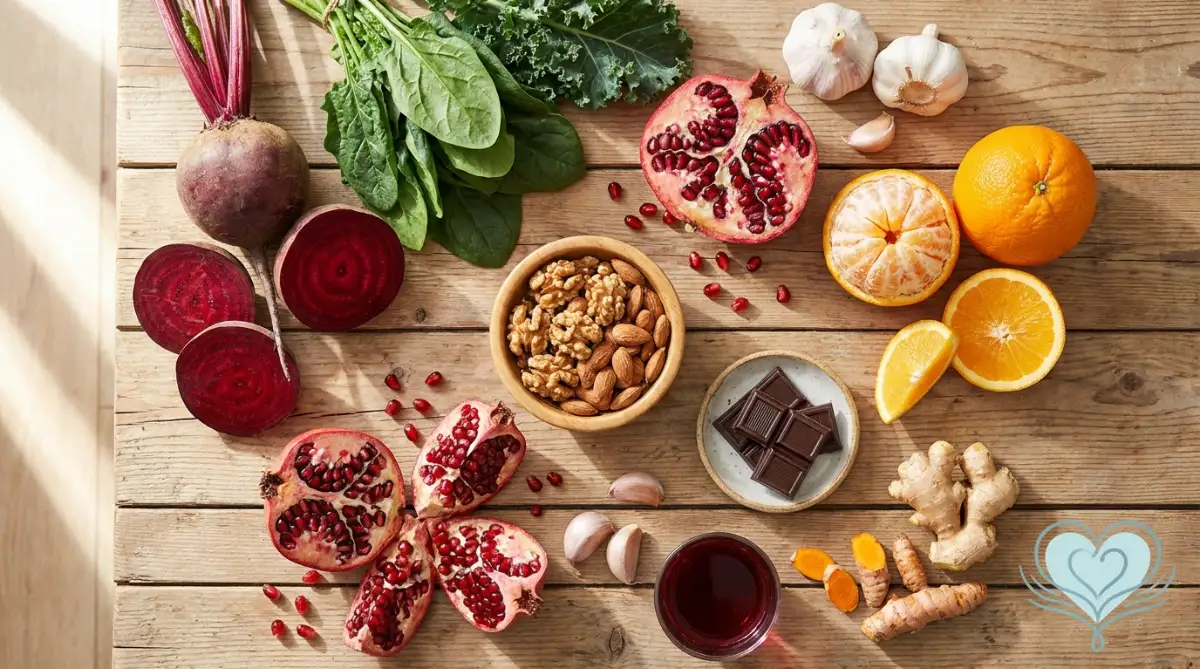
Foods That Help Support Healthy Blood Circulation Naturally
Healthy blood circulation is one of the most important foundations of overall wellness. Every second, your circulatory system moves oxygen, nutrients, hormones, and immune cells all around your body while also clearing out waste. When everything’s flowing well, your organs get what they need to work properly. But when circulation slows down, even simple daily tasks can start to feel more tiring than usual.
A lot of people think circulation only matters for heart health, but it actually affects way more than that. Good blood flow supports your brain, muscles, skin, kidneys, digestive system—pretty much everything. It also helps with energy levels, physical performance, and recovery after activity.
While genetics and health conditions can play a role, your everyday food choices matter a lot too. A balanced diet full of nutrient-rich foods gives your body the vitamins, minerals, antioxidants, and healthy fats it needs to keep blood vessels working properly.
Why Healthy Blood Circulation Matters
Blood is basically your body’s delivery system. With every heartbeat, oxygen-rich blood travels through arteries, capillaries, and veins to nourish your tissues.
Good circulation helps support:
- Heart function
- Brain performance
- Muscle recovery
- Skin health
- Kidney function
- Healthy blood pressure
- Oxygen delivery
- Nutrient absorption
- Immune system activity
It also helps regulate body temperature and supports healing when you get minor injuries.
Common Lifestyle Habits That Can Affect Circulation
Before getting into foods, it helps to know what can impact blood flow in everyday life.
Some common habits that may slow circulation include:
- Sitting for long periods
- Not moving enough
- Eating lots of processed foods
- Smoking
- High stress levels
- Poor sleep
- Carrying extra body weight
- Not drinking enough water
Food alone won’t fix everything, but pairing good nutrition with regular movement makes a big difference for heart and circulation health.
Leafy Green Vegetables
Leafy greens are some of the most nutrient-packed foods you can eat. Spinach, kale, Swiss chard, arugula, and lettuce naturally contain dietary nitrates.
In your body, these nitrates can turn into nitric oxide, which helps blood vessels relax and function properly. When blood vessels are healthy and flexible, blood can move more easily through your system.
Leafy greens also give you:
- Vitamin K
- Folate
- Potassium
- Magnesium
- Vitamin C
- Fiber
Easy ways to eat them: toss spinach into smoothies, make salads, add kale to soups, or serve steamed greens with dinner.
Fatty Fish Rich in Omega-3 Fatty Acids
Fatty fish are well known for being great for heart health. Salmon, sardines, trout, herring, and mackerel are all rich in omega-3 fatty acids.
Omega-3s may help support:
- Healthy blood vessel function
- Normal inflammation levels
- Heart health
- Better circulation
Most experts suggest including fish in your weekly meals as part of a balanced diet.
If you don’t eat fish, it’s a good idea to talk to a healthcare professional about other options that work for you.
Citrus Fruits
Oranges, lemons, grapefruits, limes, and mandarins are loaded with vitamin C and plant compounds called flavonoids.
Vitamin C helps with collagen production, which supports healthy blood vessels. Flavonoids also act as antioxidants that help protect your cells.
Citrus fruits are also refreshing, hydrating, and easy to snack on.
Berries
Blueberries, strawberries, raspberries, blackberries, and cranberries are small but powerful.
They’re packed with:
- Anthocyanins
- Vitamin C
- Fiber
- Polyphenols
These compounds are widely studied for their benefits in supporting heart and vascular health.
Try adding berries to oatmeal, yogurt, smoothies, cereal, or fruit bowls. They’re also a great way to satisfy a sweet craving without added sugar.
Garlic
Garlic has been used in cooking for ages, and for good reason. It contains sulfur compounds like allicin.
Research suggests these compounds may support healthy blood vessel function as part of a balanced diet.
You can add garlic to soups, roasted veggies, sauces, or protein dishes. Light cooking helps keep its benefits while making it easier on digestion for some people.
Beets
Beets are especially popular with athletes and health-focused eaters.
Like leafy greens, they contain dietary nitrates that help support nitric oxide production in the body.
You can enjoy beets:
- Roasted
- Steamed
- Juiced
- In salads
- Blended into smoothies
They’re also a good source of potassium, folate, manganese, and fiber.
Tomatoes
Tomatoes are full of helpful nutrients like:
- Lycopene
- Vitamin C
- Potassium
- Vitamin A
Lycopene is the antioxidant that gives tomatoes their red color.
Fresh tomatoes, low-sodium sauces, and roasted tomatoes all fit well into a heart-friendly diet. Cooking them can even make lycopene easier for your body to absorb.
Nuts and Seeds
Nuts and seeds are packed with healthy fats, plant protein, minerals, and antioxidants.
Great options include:
- Walnuts
- Almonds
- Pistachios
- Chia seeds
- Flaxseeds
- Pumpkin seeds
- Sunflower seeds
They provide magnesium, vitamin E, and omega-3 fats that support heart health.
Just keep portions in check since they’re calorie-dense.
Whole Grains
Whole grains are a great source of fiber, vitamins, minerals, and steady energy.
Good choices include:
- Oats
- Brown rice
- Quinoa
- Whole wheat
- Barley
- Whole grain bread
Fiber helps support healthy cholesterol levels as part of an overall balanced diet.
Swapping refined grains for whole grains is a simple upgrade for better nutrition.
Dark Chocolate in Moderation
High-quality dark chocolate (with higher cocoa content) contains flavonoids that may support heart health.
But since it can also contain sugar and fat, moderation is key.
A small piece here and there can fit into a healthy lifestyle.
Green Tea
Green tea is rich in natural antioxidants called catechins.
These compounds are often studied for their potential benefits in supporting heart and blood vessel health.
Switching from sugary drinks to unsweetened green tea can also help reduce added sugar intake.
Avocados
Avocados are full of healthy monounsaturated fats, plus potassium and fiber.
Potassium helps support normal muscle and nerve function and overall cardiovascular health.
They’re great in:
- Salads
- Sandwiches
- Toast
- Smoothies
- Spreads
They also make a creamy, satisfying alternative to processed spreads.
Pomegranates
Pomegranates are rich in antioxidants and polyphenols that give them their deep red color.
You can add the seeds to salads, yogurt, breakfast bowls, or desserts for a fresh, tangy boost.
They also provide vitamin C, fiber, and other beneficial plant compounds.
Olive Oil
Extra virgin olive oil is a key part of Mediterranean-style eating.
It contains:
- Monounsaturated fats
- Vitamin E
- Polyphenols
Using olive oil instead of heavily processed fats is a simple way to support a heart-healthy diet.
It works well for salads, roasted veggies, and light cooking.
Colorful Vegetables
Eating a variety of colorful vegetables gives your body a wide range of nutrients.
Examples include:
- Bell peppers
- Carrots
- Sweet potatoes
- Purple cabbage
- Broccoli
- Brussels sprouts
The more colors on your plate, the more vitamins, minerals, antioxidants, and fiber you’re likely gettinfish
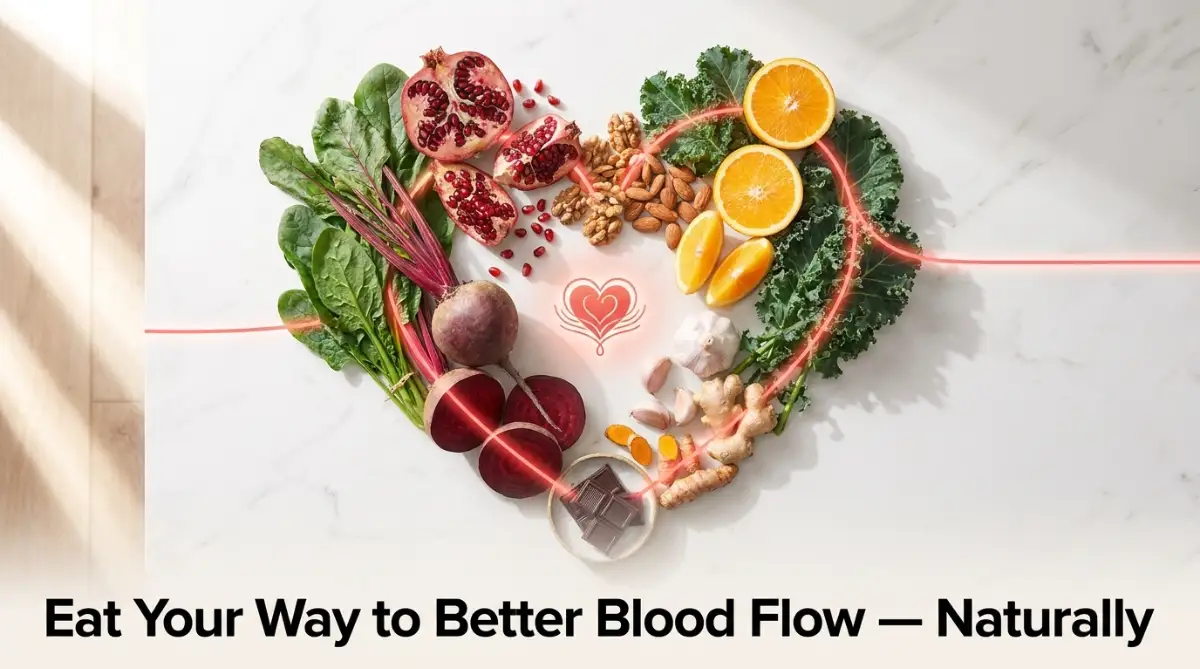
Hydration Supports Circulation Too
Food matters, but so does hydration.
Water helps maintain normal blood volume and supports many body functions.
Simple hydration tips:
- Drink water throughout the day
- Eat water-rich fruits
- Include veggies in meals
- Cut back on sugary drinks
Your needs may vary depending on your lifestyle and environment.
Foods to Limit for Better Heart Wellness
It’s not just about what you eat—it’s also about what you cut back on.
Try to limit:
- Highly processed snacks
- Sugary drinks
- Too much sodium
- Trans fats
- Deep-fried foods
- Excess added sugar
Eating more whole foods while reducing these can really improve overall heart health.
Lifestyle Habits That Work Together With Healthy Nutrition
Good nutrition works best when paired with healthy habits.
Stay Physically Active
Walking, swimming, cycling, dancing, and strength training all help support circulation.
Avoid Sitting Too Long
Try to stand, stretch, or walk every hour.
Maintain a Healthy Weight
This can support overall cardiovascular function.
Prioritize Sleep
Good sleep is essential for overall health and recovery.
Manage Stress
Deep breathing, meditation, and time outdoors can help.
Avoid Tobacco
Not smoking is one of the best things you can do for your blood vessels.
When to Seek Medical Advice
Even with a healthy lifestyle, some symptoms should be checked by a doctor.
Get medical help if you notice:
- Ongoing leg pain when walking
- Sudden swelling
- Chest pain
- Severe shortness of breath
- Persistent numbness
- Sudden weakness
- Unusual skin color changes
- Wounds that heal slowly
Building Everyday Habits for Better Blood Flow
There’s no single “magic food” for circulation. It’s really about your overall pattern.
Eating more fruits, vegetables, whole grains, healthy fats, nuts, seeds, fish, and drinking enough water all work together to support your heart and blood vessels.
Small, consistent changes are easier to stick with than big sudden shifts. Over time, these habits add up and make a real difference.
Think of it as a lifestyle, not a quick fix—and your body will thank you for it.
Simple Meal Planning Ideas to Support Healthy Blood Circulation
A Balanced Breakfast
Starting your morning with a good meal gives you energy and supports overall heart health.
Easy breakfast ideas include:
- Oatmeal topped with fresh berries, walnuts, and chia seeds
- Whole-grain toast with mashed avocado and sliced tomatoes
- Greek yogurt with mixed berries and flaxseeds
- A smoothie with spinach, banana, berries, and unsweetened milk
These meals bring together fiber, healthy fats, antioxidants, and vitamins that help support normal blood vessel function.
A Nourishing Lunch
Try to build your lunch around veggies, lean protein, whole grains, and healthy fats.
Some simple options:
- Grilled salmon with quinoa and steamed broccoli
- Mixed green salad with chickpeas, olive oil, and lemon dressing
- Brown rice with grilled chicken and roasted vegetables
- Lentil soup with a slice of whole-grain bread
Healthy Snack Choices
Smart snacks can help keep your energy steady between meals.
Good picks include:
- A handful of almonds or walnuts
- Apple slices with natural peanut butter
- Fresh berries
- Carrot sticks with hummus
- Unsweetened yogurt with chia seeds
A Heart-Friendly Dinner
Dinner should feel satisfying, but not too heavy.
Try meals like:
- Baked trout with roasted sweet potatoes and spinach
- Veggie stir-fry with tofu and brown rice
- Turkey and vegetable soup
- Whole-grain pasta with tomato sauce, garlic, olive oil, and veggies
Nutrients That Play an Important Role in Circulation
Healthy blood circulation isn’t about just one vitamin or mineral. It’s really a team effort of different nutrients working together.
Fiber
Fiber supports heart health and helps keep cholesterol levels already in a normal range.
Good sources include:
- Oats
- Beans
- Lentils
- Fruits
- Vegetables
- Whole grains
Potassium
Potassium helps support normal muscle function, including the heart.
Foods rich in potassium include:
- Bananas
- Sweet potatoes
- Spinach
- Avocados
- Beans
Magnesium
Magnesium is involved in hundreds of normal body processes.
You can find it in:
- Pumpkin seeds
- Almonds
- Cashews
- Spinach
- Whole grains
Vitamin C
Vitamin C helps support collagen production, which is important for healthy blood vessels.
Great sources include:
- Oranges
- Kiwi
- Strawberries
- Bell peppers
- Broccoli
Healthy Unsaturated Fats
Swapping saturated fats for healthier unsaturated fats may support overall heart health.
Try foods like:
- Olive oil
- Avocados
- Nuts
- Seeds
- Fatty fish

Everyday Habits That Can Improve Blood Flow Naturally
Good circulation isn’t just about food—it’s also about your daily habits.
Move Throughout the Day
If you sit for long periods, try standing up and walking around every hour. Even small movement helps keep blood flowing.
Stretch Regularly
A few simple stretches can help your body stay flexible and encourage circulation.
Stay Hydrated
Not drinking enough water can affect how your body functions. Staying hydrated helps support normal blood flow.
Wear Comfortable Clothing
Very tight clothes can sometimes limit movement. Comfortable clothing helps your body move more freely.
Elevate Your Legs When Appropriate
If you’ve been standing a lot, raising your legs for a bit may help you feel more comfortable. If swelling or circulation issues are ongoing, it’s best to check with a healthcare professional.
Myths About Foods and Blood Circulation
There’s a lot of confusing info out there, so it helps to separate fact from fiction.
Myth: One Superfood Can Fix Poor Circulation
Reality: No single food can fix circulation issues on its own. It’s your overall eating pattern that matters most.
Myth: Supplements Are Better Than Whole Foods
Reality: Whole foods give you a mix of nutrients that often work better together than isolated supplements.
Always talk to a healthcare professional before taking supplements.
Myth: Only Older Adults Need to Care About Circulation
Reality: Circulation matters at every age. Healthy habits early on can make a big difference later.
Myth: Spicy Foods Always Improve Blood Flow
Reality: Spicy foods might make you feel warm temporarily, but they’re not a real solution for circulation problems.
Common Mistakes That May Limit Healthy Circulation
Some everyday habits can quietly affect your heart and blood vessels.
Try to avoid:
- Not eating enough vegetables
- Drinking too many sugary drinks
- Eating lots of processed foods
- Sitting for most of the day
- Not drinking enough water
- Frequently eating deep-fried foods
- Smoking or using tobacco
- Getting too little sleep
Even small changes here can add up over time.
Frequently Asked Questions
Which fruit is best for healthy blood circulation?
There’s no single “best” fruit. Berries, oranges, pomegranates, grapes, and citrus fruits all offer helpful nutrients and antioxidants as part of a balanced diet.
Can drinking more water improve circulation?
Staying hydrated helps your body maintain normal blood volume and function. Water alone won’t fix circulation problems, but it’s still an important habit.
Are eggs good for circulation?
Eggs provide protein and important nutrients. Most people can include them in a balanced diet, depending on their individual needs.
Is coffee bad for blood circulation?
For many people, moderate coffee intake is fine. But everyone reacts differently to caffeine, so it depends on the person and their health conditions.
How long does it take to notice benefits from healthier eating?
It varies. Healthy eating supports long-term wellness, and results depend on consistency, lifestyle, and overall habits.
Putting Everything Together
When you combine that with regular movement, good hydration, enough sleep, stress management, and avoiding tobacco, you’re giving your circulatory system solid support.
Instead of looking for quick fixes, focus on small, realistic habits you can stick with. Over time, those small choices can really add up for your heart, blood vessels, and overall well-being.
Disclaimer
This article is for educational and informational purposes only and is not medical advice, diagnosis, or treatment. Everyone’s nutritional needs and health conditions are different. If you have ongoing symptoms like chest pain, severe swelling, unexplained numbness, dizziness, or anything concerning, please see a qualified healthcare professional. Always check with a medical provider before making major diet changes, especially if you have a medical condition or take prescription medications.