
Why Drinking Enough Water Plays a Bigger Role in Health Than You Think
Water is often called the foundation of life, but it’s also one of the most overlooked parts of a healthy lifestyle. A lot of people focus on eating better, finding the right workout, or even taking supplements, but they don’t really pay attention to how much water they’re drinking each day.
The human body depends on water for almost everything. It helps regulate body temperature, supports digestion, moves nutrients around, protects organs, and keeps the brain working properly. In short, water is quietly doing its job all day, every day.
What’s surprising is that even mild dehydration can start to affect how you feel and function. It can lead to headaches, tiredness, trouble focusing, dry skin, muscle cramps, constipation, and lower physical performance—often without you realizing water is the real issue.
In this guide, you’ll see why drinking enough water matters more than most people think, how it affects different parts of your body, and some simple ways to stay properly hydrated.
Why Water Is More Than Just a Drink
Unlike vitamins or minerals that target specific functions, water supports almost every system in your body.
About half to two-thirds of your body is made up of water, depending on your age, sex, and body composition. Every single cell needs it to do its job properly.
Water helps:
- Carry oxygen and nutrients to cells
- Remove waste through urine and sweat
- Lubricate joints
- Protect the brain and spinal cord
- Regulate body temperature
- Support healthy digestion
- Maintain good blood circulation
- Keep tissues hydrated
Without enough water, all of these processes slow down, which can affect your overall health and energy levels.
Your Body Starts Responding Before You Feel Thirsty
A lot of people think thirst is the first sign they need water, but the body usually starts showing mild dehydration before you even feel thirsty.
Early signs can include:
- Dry mouth
- Fatigue
- Trouble focusing
- Mild headache
- Dizziness
- Dark yellow urine
- Low energy
- Irritability
If you ignore these signs too often, dehydration can build up and put extra stress on your body.
Learning to notice these early signals can help you stay ahead of dehydration and feel better throughout the day.
How Hydration Supports Brain Function
Your brain is very sensitive to changes in hydration.
Even a small drop in water levels can affect how well you think, focus, and perform mentally.
Proper hydration supports:
Better Concentration
Water helps maintain good blood flow to the brain, which supports focus and productivity.
Improved Memory
Staying hydrated helps your brain function normally, which can support memory and mental clarity.
More Stable Mood
Not drinking enough water can sometimes make people feel more tired, stressed, or irritable.
Fewer Headaches
For some people, dehydration can trigger headaches, and drinking enough water may help reduce them when that’s the cause.
Keeping a water bottle nearby while working or studying is a simple way to stay on track with hydration.
Water and Healthy Digestion Work Together
Your digestive system really depends on enough water to work smoothly.
Water helps move food through your gut and supports regular bowel movements.
Benefits include:
Easier Digestion
Water helps break down food so your body can absorb nutrients more easily.
Less Risk of Constipation
Without enough fluids, your body pulls more water from waste, which can make stools harder and harder to pass.
Better Nutrient Absorption
Water helps transport vitamins and minerals throughout your body.
Hydration works best when paired with a balanced diet that includes fruits, vegetables, and fiber-rich foods.
Why Your Heart Depends on Proper Hydration
Your heart and circulatory system need enough fluids to keep blood flowing properly.
When you’re dehydrated:
- Blood volume can drop
- The heart has to work harder
- Blood pressure may become harder to regulate
- Exercise can feel more tiring than usual
Staying hydrated helps support healthy circulation and keeps your body running smoothly during everyday activities.
If you exercise often or spend time in hot weather, you may need even more water since you lose extra fluids through sweat.
How Proper Hydration Strengthens Your Immune System
Water helps move nutrients, oxygen, and immune cells around your body. It also keeps the mucous membranes in your nose, mouth, and throat healthy—these are your body’s first line of defense against germs.
When you’re dehydrated, these protective barriers can dry out, which makes it harder for them to work properly.
Good hydration also helps with:
- Keeping white blood cells moving efficiently
- Supporting your lymphatic system
- Flushing out waste from your body
- Regulating body temperature when you’re sick
- Recovering after physical stress
So while water won’t stop you from getting infections, it definitely helps your body stay ready to fight them off.
Why Healthy Skin Needs Water From the Inside
A lot of skincare products promise glowing skin, but real hydration actually starts from within.
Water helps keep your skin balanced and supports normal skin function. When you’re well-hydrated, your skin cells can do their job more effectively.
People who drink enough water often notice:
- Less dry-feeling skin
- Better skin elasticity
- A more refreshed-looking complexion
- Less tightness after washing
- A stronger skin barrier
That said, drinking tons of water won’t magically erase wrinkles or fix skin conditions. Healthy skin depends on a mix of things like diet, sleep, sun protection, genetics, and skincare habits.
Water is just one important piece of the puzzle.

Hydration and Physical Performance
Whether you’re into walking, cycling, lifting weights, or just staying active during the day, hydration plays a big role in how your body performs.
When you exercise, you lose fluids through sweat to help cool your body down. If you don’t replace those fluids, dehydration can sneak up on you pretty quickly.
Even mild dehydration can lead to:
- Feeling tired sooner
- Muscle cramps
- Lower endurance
- Workouts feeling harder than usual
- Slower recovery
- Trouble regulating body temperature
If you’re active, it helps to drink water before, during, and after exercise to keep things running smoothly.
How much you need depends on things like:
- How hard you’re working out
- How long you’re active
- Weather and humidity
- How much you sweat
- Your overall health
The key is to stay ahead of thirst instead of waiting until you feel really dehydrated.
Does Drinking More Water Help With Weight Management?
A common question is whether drinking more water helps with weight loss.
Water doesn’t directly burn fat, but it can support healthy weight management in a few simple ways.
It May Help Control Appetite
Sometimes your body mixes up thirst and hunger. Drinking water before snacking can help you figure out what you actually need.
It Replaces High-Calorie Drinks
Swapping sugary drinks for water can cut down on calories without changing your hydration.
It Supports an Active Lifestyle
Staying hydrated helps keep your energy up, which makes it easier to stay active and consistent with exercise.
It Helps Digestion
Water works with fiber to support healthy digestion and regular bowel movements.
At the end of the day, weight management still comes down to overall habits like diet, activity, sleep, stress, and consistency.
Everyday Habits That Make Drinking More Water Easier
Most people know they should drink more water—but actually doing it is another story.
The good news? Small habits can make a big difference.
Start the Morning With Water
Having a glass of water when you wake up helps replace fluids lost overnight.
Keep Water Close By
A water bottle on your desk, in your bag, or in your car makes it way easier to sip throughout the day.
Link Water to Daily Habits
Try drinking water:
- Before meals
- After brushing your teeth
- During work breaks
- After exercise
- Before bed (if it works for you)
Pairing water with things you already do makes it feel automatic.
Eat Water-Rich Foods
Some foods naturally help with hydration, like:
- Watermelon
- Cucumber
- Oranges
- Strawberries
- Lettuce
- Tomatoes
- Celery
They also come with extra vitamins and minerals, which is a nice bonus.
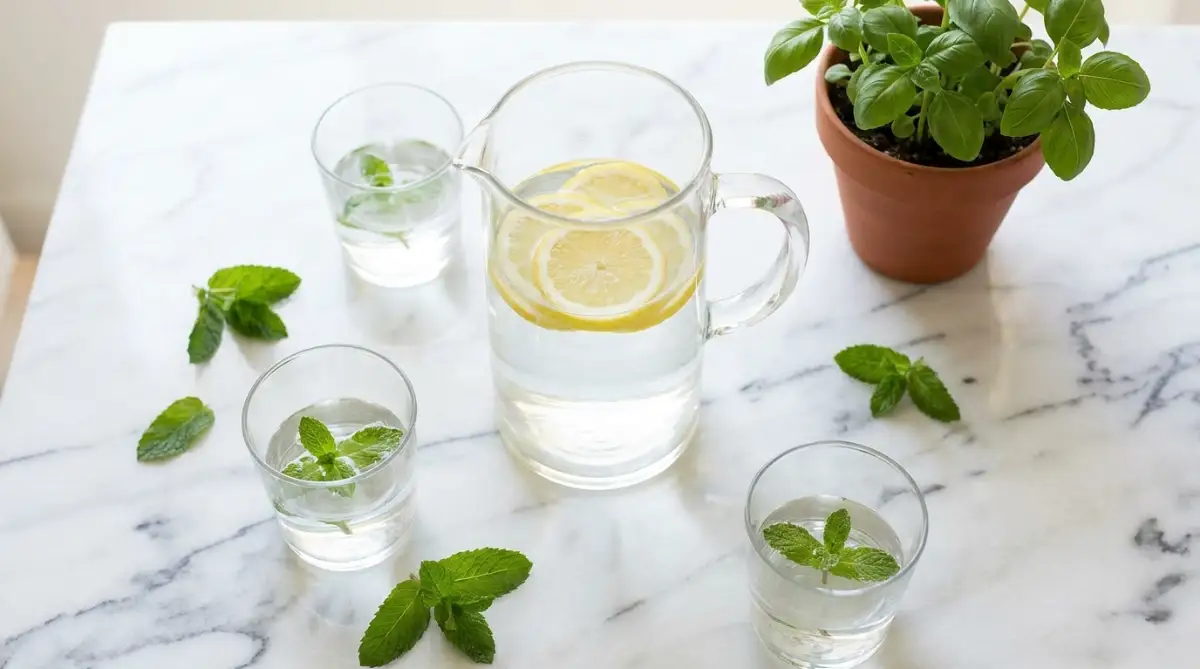
Add Natural Flavor
If plain water feels boring, try adding:
- Lemon
- Lime
- Orange slices
- Cucumber
- Mint
- Berries
It keeps things interesting without adding a lot of sugar.
Common Hydration Mistakes to Avoid
Even people who try to stay hydrated sometimes fall into habits that don’t help much.
Waiting Until You’re Very Thirsty
By the time you feel really thirsty, you’re often already a bit dehydrated.
Chugging Water All at Once
It’s usually better to sip water throughout the day instead of drinking large amounts in one go.
Ignoring Activity Levels
Hot weather, exercise, illness, and physical work all increase your fluid needs.
Thinking Coffee or Tea Don’t Count
Moderate coffee and tea still contribute to hydration for most people, but water should still be your main drink.
Forgetting About Older Adults
As people age, thirst signals can get weaker, so regular drinking becomes even more important.
Signs You May Need More Fluids
Your body usually gives you pretty clear hints when you need more water.
Watch for:
- Dark urine
- Dry lips
- Dry mouth
- Headaches
- Fatigue
- Dizziness
- Trouble focusing
- Muscle cramps
- Feeling extra thirsty
If symptoms are severe—like confusion, fainting, or not being able to keep fluids down—it’s important to get medical help right away.
Can You Drink Too Much Water?
While dehydration gets most of the attention, it is possible to overdo it.
Drinking way more water than your body can handle in a short time can dilute sodium levels in your blood, leading to a rare but serious condition called hyponatremia.
This is uncommon, but it can happen during extreme endurance events or water-drinking challenges.
The best approach is balance—drink enough to stay hydrated, but don’t force excessive amounts.
Building a Lifelong Hydration Routine
Staying hydrated isn’t about strict rules or hitting a perfect number every day.
Your needs depend on things like:
- Age
- Body size
- Activity level
- Climate
- Health conditions
- Pregnancy or breastfeeding
- Medications
Instead of chasing a fixed target, focus on simple, consistent habits.
Drink water regularly, pay attention to thirst, check your urine color, and increase intake when you’re active or in hot weather.
Small daily choices really do add up over time.
Frequently Asked Questions
How much water should most adults drink?
There’s no one-size-fits-all amount. It depends on your body, activity level, and environment. Drinking regularly and listening to your body is usually the best approach.
Can foods contribute to hydration?
Yes, definitely. Fruits, vegetables, soups, and other water-rich foods all help with hydration.
Is sparkling water as hydrating as still water?
For most people, yes. Plain sparkling water hydrates just as well as still water, as long as it doesn’t have a lot of added sugar.
Does drinking water improve energy?
If you’re mildly dehydrated, drinking water can help you feel more alert and less tired.
Should I drink more water when I’m sick?
Often, yes—especially if you have a fever, vomiting, or diarrhea. But if symptoms are severe or don’t improve, it’s best to check with a healthcare professional.
Making Hydration a Daily Priority
Water is one of the simplest things you can do for your health, but it has a big impact. Every part of your body depends on it—from your brain and heart to your skin, joints, and digestion.
The best part? You don’t need anything fancy. Just keep water nearby, drink it regularly, choose it over sugary drinks when you can, and eat water-rich foods.
Disclaimer
This article is for educational and informational purposes only and isn’t medical advice. Everyone’s hydration needs are different based on health, age, activity level, and other factors. If you have ongoing symptoms of dehydration or medical conditions that affect fluid balance, talk to a qualified healthcare professional. Don’t ignore or delay medical care based on this information alone.