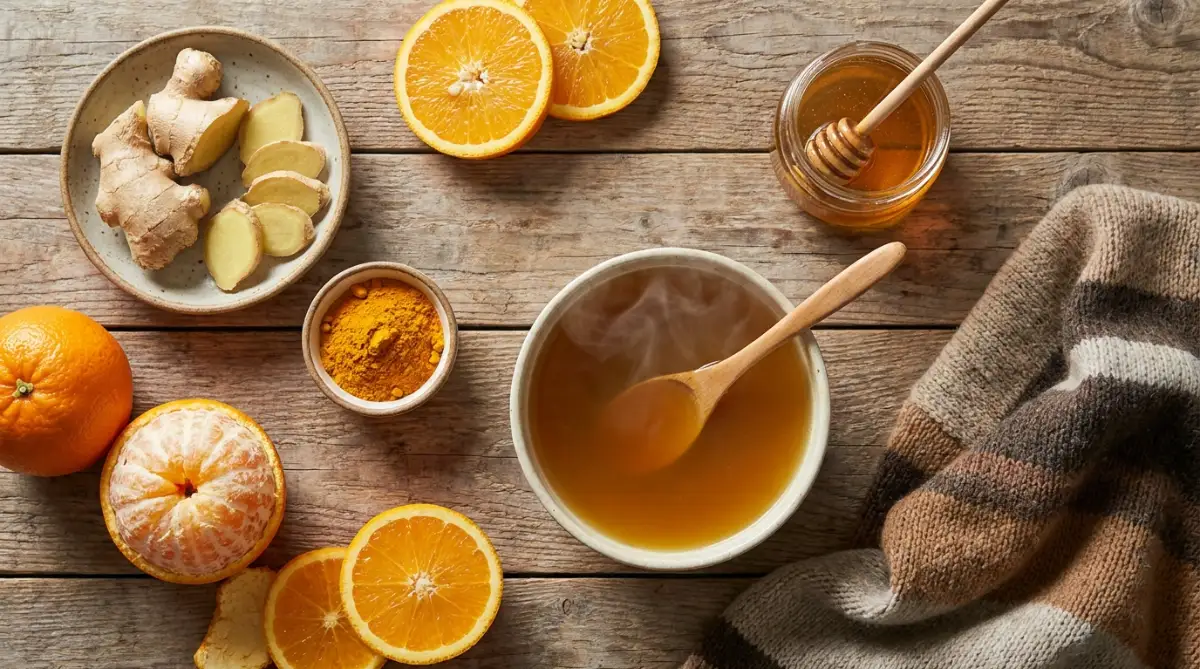
Natural Ways to Support Your Body During Seasonal Illness
Seasonal illnesses are a normal part of life. As the weather changes, many people experience symptoms such as sore throats, coughing, sneezing, congestion, mild fever, fatigue, or body aches. While these illnesses are often temporary, they can interrupt work, school, family life, and everyday routines.
The good news is that your body has its own remarkable defense system. Healthy daily habits can help support your immune system and improve your overall well-being throughout seasonal changes. Although no natural remedy can completely prevent illness or replace professional medical treatment, adopting healthy lifestyle practices may help your body function at its best.
This guide explains practical, evidence-informed ways to care for yourself during seasonal illness while encouraging safe, balanced, and sustainable habits.
Why Seasonal Changes Affect Your Body
Every season brings different environmental conditions. Cooler temperatures, dry indoor air, changing humidity, pollen, dust, and increased indoor gatherings can all influence how easily germs spread and how your body responds.
Several factors may contribute to seasonal illness, including:
- Greater exposure to viruses
- Reduced physical activity
- Less sunlight
- Poor sleep quality
- Increased stress
- Inadequate hydration
- Nutritional imbalances
Understanding these influences helps you make healthier choices before symptoms become severe.
Understanding Your Immune System
Your immune system is a complex network of cells, tissues, and organs that work together to defend your body from harmful microorganisms.
Rather than relying on one "immune-boosting" solution, overall health depends on consistent habits such as:
- Eating nutritious foods
- Getting enough sleep
- Staying physically active
- Managing stress
- Drinking enough fluids
- Avoiding harmful habits like smoking
Supporting your immune system is about maintaining balance instead of searching for quick fixes.
Recognizing Common Seasonal Illness Symptoms
Seasonal illnesses often begin gradually. Common symptoms include:
- Runny or stuffy nose
- Sneezing
- Sore throat
- Mild cough
- Fatigue
- Headache
- Muscle aches
- Low-grade fever
- Reduced appetite
Symptoms vary depending on the cause and the individual.
Hydration: One of the Simplest Ways to Support Recovery
Water plays an important role in nearly every function of the human body.
During seasonal illness, proper hydration helps support:
- Normal body temperature
- Healthy circulation
- Moist airways
- Digestion
- Nutrient transportation
Good hydration choices include:
- Water
- Warm herbal teas
- Clear soups
- Broth
- Oral rehydration solutions when recommended by healthcare professionals
Limit excessive sugary drinks and alcohol, as they may contribute to dehydration.

Nourish Your Body With Balanced Nutrition
Food provides the nutrients your immune system requires to function normally.
Instead of focusing on one "superfood," aim for a balanced diet that includes a wide variety of whole foods.
Excellent choices include:
Colorful Fruits
Fruits provide vitamins, minerals, antioxidants, and fiber.
Examples include:
- Oranges
- Berries
- Apples
- Kiwi
- Papaya
- Guava
Vegetables
Vegetables contain valuable nutrients that support overall health.
Choose:
- Spinach
- Broccoli
- Carrots
- Bell peppers
- Tomatoes
- Sweet potatoes
Protein Sources
Protein helps maintain body tissues and supports normal immune function.
Healthy options include:
- Fish
- Eggs
- Chicken
- Lentils
- Beans
- Chickpeas
- Tofu
Whole Grains
Whole grains provide lasting energy and important nutrients.
Examples include:
- Oats
- Brown rice
- Whole wheat bread
- Quinoa
Healthy Fats
Healthy fats support many body functions.
Include moderate amounts of:
- Nuts
- Seeds
- Avocados
- Olive oil
Avoid relying heavily on highly processed foods during illness whenever possible.
Prioritize Rest to Give Your Body Time to Recover
When your body is dealing with a seasonal illness, rest is not a luxury—it is an important part of recovery. During sleep, your body performs many essential processes, including repairing tissues, regulating hormones, and supporting normal immune function.
If you're feeling unwell, try to reduce unnecessary physical and mental strain. While light movement may be appropriate for mild symptoms, pushing yourself too hard can leave you feeling more exhausted.
To improve sleep quality during seasonal illness:
- Keep your bedroom cool, quiet, and comfortable.
- Maintain a consistent bedtime whenever possible.
- Avoid heavy meals shortly before sleeping.
- Reduce screen time before bed.
- Stay hydrated throughout the day rather than drinking large amounts of water immediately before bedtime.
Even short periods of quality rest can make a meaningful difference in how you feel.
Gentle Physical Activity Can Support Overall Wellness
Many people assume they should completely stop moving whenever they catch a seasonal illness. In reality, the right approach depends on your symptoms.
If symptoms are mild and limited to the nose or throat, gentle activities like walking or stretching may help maintain circulation and reduce stiffness.
However, if you experience:
- Fever
- Chest discomfort
- Severe fatigue
- Difficulty breathing
- Significant muscle weakness
it's generally best to rest and follow guidance from a qualified healthcare professional.
Remember that recovery is not a competition. Listening to your body's signals is one of the healthiest habits you can develop.
Manage Stress to Help Your Body Function Normally
Chronic stress affects many aspects of health, including sleep quality, eating habits, and immune system function.
Healthy ways to reduce stress include:
- Deep breathing exercises
- Gentle stretching
- Reading
- Listening to relaxing music
- Spending time outdoors when appropriate
- Talking with supportive friends or family
- Practicing mindfulness or meditation
Small moments of relaxation throughout the day can contribute to overall well-being.
Keep Your Indoor Environment Comfortable
The air inside your home can influence how comfortable you feel while recovering.
Consider these simple adjustments:
Maintain Good Airflow
Open windows when weather and outdoor air quality allow. Fresh air may help improve indoor comfort.
Avoid Cigarette Smoke
Smoke can irritate the throat and lungs, making symptoms feel worse.
Control Indoor Humidity
Very dry air may increase throat and nasal irritation. If appropriate, maintaining comfortable indoor humidity may help reduce dryness.
Keep Frequently Touched Surfaces Clean
Regularly cleaning commonly touched objects such as door handles, remote controls, keyboards, and phones supports good hygiene practices.
Practice Healthy Hygiene Every Day
Good hygiene remains one of the simplest ways to reduce the spread of many seasonal illnesses.
Healthy habits include:
- Washing hands with soap and water for at least 20 seconds.
- Covering coughs and sneezes with a tissue or your elbow.
- Avoiding touching your eyes, nose, and mouth with unwashed hands.
- Disposing of used tissues properly.
- Staying home when feeling unwell whenever possible.
These habits protect not only you but also your family, coworkers, classmates, and community.
Foods That Can Be Comforting During Seasonal Illness
Appetite often decreases during illness, but nourishing foods remain important.
Many people find comfort in foods such as:
- Warm vegetable soup
- Chicken soup
- Oatmeal
- Soft fruits
- Yogurt
- Mashed vegetables
- Whole-grain toast
- Rice with lean protein
Warm meals may help soothe a sore throat while providing fluids and nutrients.
Choose foods that are easy to digest if your appetite is reduced.
The Importance of Vitamins and Minerals
Your body requires a variety of nutrients to maintain normal immune function.
Important nutrients include:
Vitamin C
Found in:
- Citrus fruits
- Strawberries
- Bell peppers
- Kiwi
- Broccoli
Vitamin D
Sources include:
- Safe sunlight exposure
- Fortified foods
- Fatty fish
Zinc
Good sources include:
- Lean meats
- Beans
- Lentils
- Pumpkin seeds
- Nuts
Iron
Found in:
- Spinach
- Lentils
- Beans
- Lean meats
Rather than focusing on high-dose supplements, many people benefit from obtaining nutrients through a balanced diet. Speak with a healthcare professional before starting supplements, especially if you have medical conditions or take prescription medications.

Avoid Common Recovery Mistakes
Many people unintentionally slow their recovery by making avoidable mistakes.
Examples include:
Ignoring Hydration
Even mild dehydration may increase fatigue and discomfort.
Skipping Meals Completely
Your body still needs energy and nutrients, even if your appetite is reduced.
Returning to Normal Activities Too Soon
Feeling slightly better does not always mean your body has fully recovered.
Self-Medicating Without Professional Advice
Not every illness requires the same treatment. Always use medicines responsibly and according to professional guidance.
Believing Every Internet Health Trend
Social media often contains unsupported health claims. Choose information from trusted medical organizations and qualified healthcare professionals.
Build Healthy Habits Before Seasonal Illness Arrives
Supporting your health is easier when healthy habits become part of your everyday routine rather than something you begin only after becoming sick.
Long-term habits include:
- Eating balanced meals.
- Sleeping consistently.
- Exercising regularly.
- Drinking enough water daily.
- Managing stress.
- Avoiding tobacco products.
- Limiting excessive alcohol intake.
- Maintaining regular medical checkups.
Consistency is usually more valuable than perfection.
Frequently Asked Questions
Can natural remedies completely prevent seasonal illness?
No. Healthy habits support overall wellness and normal immune function, but no natural method can guarantee complete prevention.
Should I exercise while recovering?
It depends on your symptoms. Mild movement may be appropriate for minor illness, while fever, chest symptoms, or significant fatigue usually require rest and medical guidance.
Is drinking more water always better?
Adequate hydration is important, but excessive water intake is unnecessary. Drink according to your body's needs unless advised otherwise by your healthcare provider.
Can healthy eating shorten every illness?
Nutritious foods help support your body's normal recovery processes, but recovery time varies depending on the cause, your overall health, and other individual factors.
When should I contact a healthcare professional?
Seek medical advice if symptoms become severe, last longer than expected, worsen over time, or include difficulty breathing, persistent high fever, severe chest pain, confusion, dehydration, or other concerning signs.
Creating a Sustainable Wellness Routine Throughout the Seasons
Seasonal illness is a reminder that health is built through everyday choices. There is rarely a single food, drink, supplement, or habit that determines how your body responds. Instead, long-term wellness comes from combining balanced nutrition, adequate hydration, restorative sleep, regular movement, stress management, and good hygiene into a consistent lifestyle.
Rather than searching for quick fixes, focus on sustainable habits that fit naturally into your daily life. Over time, these practical choices can help support your body's natural defenses and improve your overall quality of life during every season.
Disclaimer
This article is intended for educational and informational purposes only. It does not provide medical advice, diagnosis, or treatment. Natural health practices can support overall wellness but should not replace professional healthcare. If you experience severe symptoms, persistent illness, difficulty breathing, high fever, chest pain, dehydration, or any medical emergency, seek prompt evaluation from a qualified healthcare professional. Always consult your healthcare provider before making significant changes to your diet, lifestyle, or medication regimen.