Simple Lifestyle Changes That Help Protect Your Heart Naturally
Your heart works every second of every day without asking for a break. It pumps blood, delivers oxygen, and keeps every organ functioning properly. Because it works so hard, your heart deserves daily care—not just when health problems appear.
Many people believe that protecting their heart requires expensive diets, intense exercise programs, or complicated medical treatments. In reality, some of the most effective ways to support cardiovascular health are simple lifestyle habits that anyone can gradually include in everyday life.
Heart disease develops over time. Small daily choices can either increase risk or strengthen your cardiovascular system. The encouraging news is that positive habits also build over time. Every healthy meal, every short walk, every good night's sleep, and every stress-reducing activity contributes to a healthier heart.
This guide explains practical, science-supported lifestyle changes that naturally promote heart health while improving your overall quality of life.
Why Everyday Habits Matter More Than Occasional Effort
People often focus on dramatic health changes, but consistency matters far more than perfection.
A healthy lifestyle is built through repeated choices rather than temporary motivation. Small improvements practiced every day are often easier to maintain and provide lasting benefits.
Simple habits may help:
- Support healthy blood pressure
- Improve cholesterol balance
- Promote healthy blood sugar levels
- Reduce inflammation
- Maintain a healthy body weight
- Improve circulation
- Increase energy levels
- Support long-term cardiovascular wellness
The goal is progress, not perfection.
Build Your Meals Around Heart-Friendly Foods
Nutrition plays one of the biggest roles in heart protection.
Rather than following restrictive diets, focus on creating balanced meals filled with nutrient-rich foods.
Eat More Fruits and Vegetables
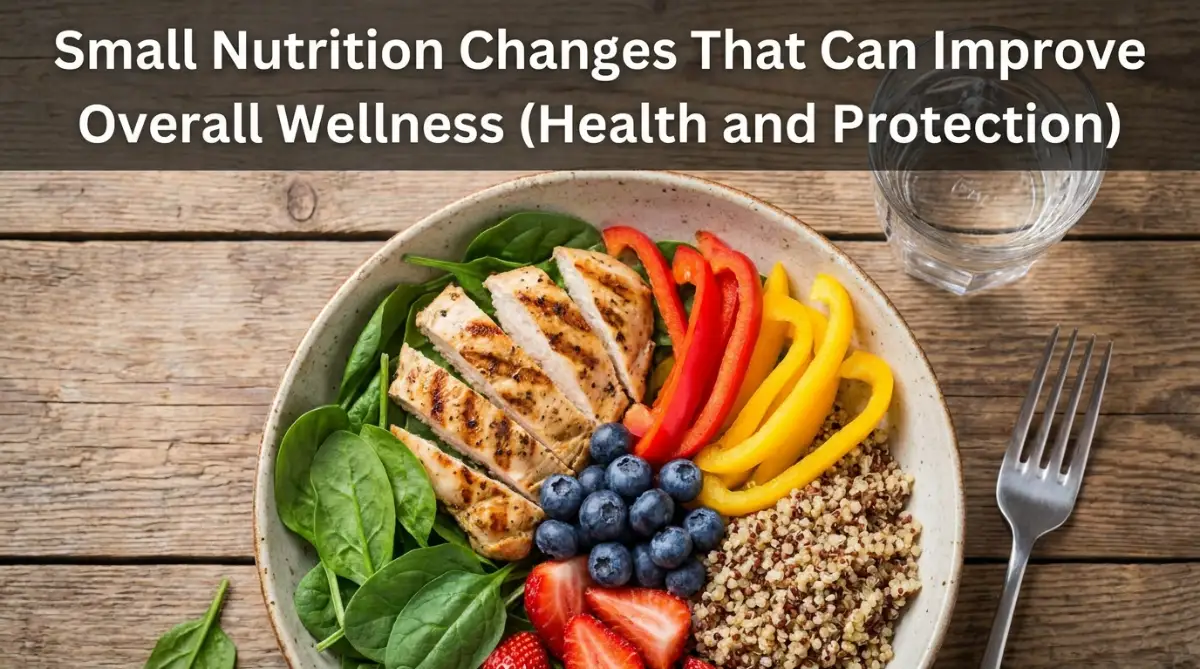
Colorful fruits and vegetables provide vitamins, minerals, antioxidants, and fiber that support healthy blood vessels.
Aim to include a variety of colors throughout the week because different colors provide different beneficial nutrients.
Examples include:
- Spinach
- Broccoli
- Carrots
- Tomatoes
- Berries
- Apples
- Oranges
- Bell peppers
Choose Whole Grains
Whole grains provide more fiber than refined grains.
Good choices include:
- Oats
- Brown rice
- Whole wheat bread
- Quinoa
- Barley
Fiber supports healthy cholesterol levels and promotes digestive health.
Include Healthy Protein Sources
Lean protein supports overall health without excessive saturated fat.
Examples include:
- Fish
- Skinless chicken
- Beans
- Lentils
- Chickpeas
- Eggs
- Tofu
Fatty fish such as salmon, sardines, and mackerel contain omega-3 fatty acids that support heart health.
Select Healthy Fats
Not all fats are harmful.
Heart-friendly options include:
- Olive oil
- Avocados
- Nuts
- Seeds
Try limiting foods that contain high amounts of trans fats or heavily processed fats.
Reduce Excess Salt Without Losing Flavor
Too much sodium may contribute to high blood pressure in many people.
Simple ways to reduce salt include:
- Cook more meals at home.
- Read nutrition labels.
- Flavor foods with herbs and spices.
- Limit highly processed foods.
- Taste food before adding extra salt.
Fresh garlic, lemon juice, basil, parsley, turmeric, and black pepper can add excellent flavor naturally.

Stay Physically Active Every Day
Exercise does not always require a gym membership.
Regular movement strengthens the heart muscle and improves circulation.
Activities that support heart health include:
- Walking
- Cycling
- Swimming
- Dancing
- Gardening
- Climbing stairs
- Light jogging
Even shorter periods of activity throughout the day can contribute to better overall fitness.
The most effective exercise is the one you enjoy enough to continue consistently.
Maintain a Healthy Body Weight
Carrying excess body weight may place additional strain on the heart.
Instead of focusing only on numbers on a scale, consider building healthy habits that naturally support weight management.
Helpful strategies include:
- Eating balanced meals
- Controlling portion sizes
- Staying active
- Drinking enough water
- Sleeping well
- Limiting sugary beverages
Gradual progress is often more sustainable than rapid weight loss.
Stay Hydrated Throughout the Day
Water supports nearly every function in the body.
Proper hydration helps maintain healthy circulation and supports normal body processes.
Water is generally the best choice for daily hydration.
Try limiting beverages that contain excessive added sugar.
Prioritize Quality Sleep
Sleep is often overlooked, yet it plays an important role in heart health.
Poor sleep may affect blood pressure, stress hormones, metabolism, and overall cardiovascular wellness.
Healthy sleep habits include:
- Keeping a regular bedtime
- Limiting screen time before bed
- Creating a quiet sleeping environment
- Avoiding heavy meals late at night
- Reducing caffeine close to bedtime
Adults generally benefit from consistent, adequate sleep according to their individual needs.
Learn Healthy Ways to Manage Stress
Stress is a normal part of life, but chronic stress can influence heart health over time.
Healthy stress management techniques include:
Practice Deep Breathing
Slow breathing may help the body relax during stressful moments.
Spend Time Outdoors
Nature can provide a calming environment that supports emotional well-being.
Stay Connected
Talking with supportive friends and family members may reduce emotional stress.
Enjoy Relaxing Activities
Reading, gardening, music, hobbies, and creative activities can help restore mental balance.
Avoid Tobacco Products
Avoiding tobacco is one of the most important steps for protecting cardiovascular health.
Smoking damages blood vessels, reduces oxygen delivery, and increases the risk of serious heart conditions.
If someone currently smokes, seeking professional support can improve the chances of successfully quitting.
Limit Alcohol Intake
If alcohol is consumed, moderation is important.
Some people may benefit from avoiding alcohol entirely depending on their medical history or healthcare provider's advice.
Always follow personalized medical recommendations.
Monitor Important Health Numbers
Regular health checkups help identify potential concerns early.
Important measurements include:
- Blood pressure
- Blood sugar
- Cholesterol
- Body weight
- Waist circumference
Knowing these numbers allows people to make informed lifestyle decisions together with healthcare professionals.
Make Small Changes That Last
Trying to change everything at once often leads to frustration.
Instead, focus on one habit at a time.
For example:
Week one: Walk for twenty minutes each day.
Week two: Add one serving of vegetables to lunch.
Week three: Replace one sugary drink with water.
Week four: Sleep thirty minutes earlier each night.
These small improvements can grow into lifelong healthy routines.
Foods That Naturally Support Heart Wellness
While no single food guarantees perfect heart health, certain foods provide valuable nutrients.
Consider including:
- Leafy green vegetables
- Oats
- Beans
- Lentils
- Berries
- Citrus fruits
- Walnuts
- Almonds
- Chia seeds
- Flaxseeds
- Olive oil
- Fatty fish
A balanced eating pattern matters more than focusing on any one "superfood."
Daily Habits That Often Harm Heart Health
Some common habits may increase cardiovascular risk over time.
These include:
- Sitting for long periods
- Frequent fast food consumption
- Excess sugary drinks
- Smoking
- Poor sleep habits
- High stress without healthy coping methods
- Skipping physical activity
- Overeating processed foods
Recognizing these habits is the first step toward positive change.
Common Myths About Natural Heart Protection
Myth: Only Older Adults Need to Care About Heart Health
Healthy habits benefit people of all ages.
Myth: Thin People Cannot Develop Heart Problems
Body weight is only one factor. Blood pressure, cholesterol, family history, and lifestyle also matter.
Myth: Exercise Alone Is Enough
Physical activity is important, but nutrition, sleep, stress management, and avoiding tobacco all contribute to heart health.
Myth: Healthy Living Must Be Expensive
Many affordable foods, including beans, oats, vegetables, and seasonal fruits, support a heart-healthy lifestyle.

Creating a Stronger Heart Through Everyday Choices
Protecting your heart does not require dramatic changes overnight. Lasting cardiovascular wellness is built through consistent daily habits that support both physical and emotional health.
Choosing nutritious foods, staying active, sleeping well, managing stress, avoiding tobacco, staying hydrated, and monitoring your health are practical steps that work together over time. Every positive choice strengthens the foundation for a healthier future.
Remember that small improvements made consistently are often more powerful than short periods of extreme effort. By caring for your heart every day, you are investing in your long-term health, energy, and overall well-being.
Create a Heart-Friendly Home Environment
Healthy choices become much easier when your surroundings support them. Instead of relying on willpower alone, design your home in a way that naturally encourages heart-healthy habits.
Start by keeping nutritious foods visible and easy to reach. Place fresh fruits in a bowl on the kitchen counter, store cut vegetables in clear containers inside the refrigerator, and keep whole-grain snacks available for quick meals.
At the same time, reduce easy access to foods that are high in added sugars, excessive sodium, or unhealthy fats. You do not have to completely eliminate your favorite treats, but keeping them as occasional choices rather than everyday staples can make healthy eating feel more natural.
Small environmental changes often lead to consistent long-term habits.
Smart Grocery Shopping for Better Heart Health
Heart protection begins before cooking—it starts while shopping.
Before heading to the grocery store:
- Prepare a shopping list.
- Eat a healthy meal or snack to avoid impulse purchases.
- Focus on fresh, minimally processed foods.
- Compare nutrition labels when buying packaged products.
- Choose products with lower sodium and added sugar whenever possible.
A balanced shopping cart may include:
- Fresh vegetables
- Seasonal fruits
- Whole grains
- Beans and legumes
- Low-fat dairy or suitable alternatives
- Lean protein sources
- Nuts and seeds
- Healthy cooking oils
Planning ahead can help reduce food waste while supporting healthier eating patterns.
Read Food Labels with Confidence
Nutrition labels provide valuable information that supports informed decisions.
Pay attention to:
Serving Size
Many packaged foods contain multiple servings. Understanding serving size helps estimate actual nutrient intake.
Sodium Content
Compare similar products and choose options with lower sodium whenever possible.
Added Sugars
Some foods that appear healthy may contain significant amounts of added sugar.
Fiber
Higher-fiber foods often support digestive health and healthy cholesterol management.
Saturated Fat
Choosing products with lower saturated fat may benefit overall heart health as part of a balanced diet.
Reading labels takes only a few seconds and becomes easier with practice.
Healthy Cooking Methods That Support the Heart
The way food is prepared can influence its nutritional value.
Heart-conscious cooking methods include:
- Baking
- Steaming
- Grilling
- Roasting
- Boiling
- Stir-frying with minimal healthy oil
These methods often require less added fat compared with deep frying.
Experimenting with herbs, garlic, ginger, lemon juice, and spices can create flavorful meals without relying heavily on salt.
Build a Sustainable Exercise Routine
Many people stop exercising because they choose routines that are too difficult from the beginning.
Instead, build movement gradually.
Consider this example progression:
Week One
Walk comfortably for 15–20 minutes.
Week Two
Increase walking time slightly or add gentle stretching.
Week Three
Include light strength exercises using body weight.
Week Four
Mix walking, flexibility exercises, and strength training throughout the week.
A balanced routine supports muscles, bones, flexibility, and cardiovascular fitness.
Strength Training Also Supports Heart Health
While aerobic exercise receives much attention, strength training provides additional benefits.
Possible advantages include:
- Supporting healthy metabolism
- Improving muscle strength
- Enhancing balance
- Helping maintain healthy body composition
- Supporting overall physical function
Simple exercises include:
- Squats
- Wall push-ups
- Chair stands
- Resistance band exercises
- Light dumbbell routines
Always adapt exercises to your personal fitness level.
Stay Active Even During Busy Days
A busy schedule does not always mean physical activity must stop.
Simple ideas include:
- Walk during phone calls.
- Take stairs when appropriate.
- Park slightly farther away.
- Stretch between work sessions.
- Stand and move every hour.
- Walk after meals.
Short periods of movement throughout the day contribute to overall activity levels.
The Connection Between Mental Health and Heart Health
Emotional well-being and cardiovascular health are closely connected.
Long-term emotional stress may influence sleep quality, eating habits, physical activity, and other lifestyle behaviors.
Healthy emotional habits include:
- Practicing gratitude
- Maintaining supportive relationships
- Taking regular breaks
- Spending time outdoors
- Engaging in enjoyable hobbies
- Seeking professional support when needed
Taking care of emotional wellness is an important part of taking care of the heart.
Build Healthy Habits as a Family
Healthy lifestyles become easier when shared with others.
Family activities may include:
- Preparing healthy meals together
- Going for evening walks
- Playing outdoor games
- Limiting excessive screen time
- Trying new vegetables together
- Celebrating healthy milestones
Children often learn healthy habits by observing adults, making family involvement especially valuable.
Heart Health Across Different Life Stages
Heart care is important throughout life.
Young Adults
Develop healthy eating habits, stay physically active, and avoid tobacco products.
Middle Adulthood
Pay closer attention to blood pressure, cholesterol, body weight, and stress management.
Older Adults
Maintain regular movement, balanced nutrition, and routine healthcare visits while adapting activities to individual abilities.
Healthy choices remain valuable at every age.
Practical Meal Planning Tips
Planning meals in advance reduces the likelihood of relying on less nutritious convenience foods.
Helpful strategies include:
- Prepare vegetables ahead of time.
- Cook larger portions for future meals.
- Keep healthy snacks available.
- Include protein with each meal.
- Rotate different fruits and vegetables throughout the week.
Meal planning does not have to be complicated to be effective.
Mistakes That Can Slow Your Progress
Many people unintentionally make choices that reduce the effectiveness of healthy habits.
Common examples include:
Trying to Change Everything at Once
Large lifestyle changes can become overwhelming.
Instead, focus on one or two habits before adding more.
Skipping Meals
Missing meals may increase hunger later in the day and lead to overeating for some individuals.
Depending on Motivation Alone
Motivation naturally changes over time.
Building routines is usually more reliable than waiting to feel motivated.
Ignoring Sleep
Even excellent nutrition and regular exercise cannot fully replace the benefits of adequate sleep.
Expecting Immediate Results
Heart health improves gradually.
Consistency is more important than quick changes.
Signs That Your Healthy Habits Are Working
Positive changes are not always visible immediately.
Some encouraging improvements may include:
- Better energy throughout the day
- Improved stamina
- Better sleep quality
- More stable daily routines
- Improved physical fitness
- Greater confidence in healthy decision-making
Medical measurements such as blood pressure or cholesterol should always be interpreted by qualified healthcare professionals.
Frequently Asked Questions
How much exercise is generally recommended?
Physical activity needs vary based on age, health status, and fitness level. Following guidance from qualified healthcare professionals is recommended for personalized advice.
Can healthy eating still include favorite foods?
Yes. Many people successfully maintain heart-healthy lifestyles by enjoying favorite foods occasionally while keeping balanced nutrition as the overall pattern.
Is stress completely avoidable?
No. Stress is a normal part of life. The goal is developing healthy coping strategies rather than eliminating stress entirely.
Are supplements necessary for heart health?
Not everyone requires supplements. Nutritional needs differ between individuals, and supplement use should be discussed with a qualified healthcare provider.
Bringing Healthy Choices Into Everyday Life
Natural heart protection is not built through one perfect meal, one workout, or one healthy week. It develops through hundreds of small decisions repeated over time.
Each nutritious meal, each walk around the neighborhood, each glass of water, and each restful night's sleep strengthens your commitment to long-term wellness. Even modest improvements can create meaningful health benefits when practiced consistently.
Rather than aiming for perfection, focus on creating realistic habits that fit your lifestyle. Sustainable routines are easier to maintain and often produce the greatest long-term results.
Every positive choice you make today is an investment in your future health. Your heart supports you every moment of your life, and caring for it through simple daily habits is one of the most valuable gifts you can give yourself.
Disclaimer
This article is intended for educational and informational purposes only and should not be considered medical advice, diagnosis, or treatment. Individual health needs vary, and lifestyle recommendations may not be appropriate for everyone. If you have heart disease, high blood pressure, diabetes, persistent symptoms, or any other medical condition, consult a qualified healthcare professional before making significant changes to your diet, exercise routine, or lifestyle. In case of chest pain, severe shortness of breath, or other emergency symptoms, seek immediate medical care.