
Understanding the Link Between Stress and Physical Health
Stress is a natural part of life. Everyone experiences it at different stages, whether it comes from work, family responsibilities, financial concerns, education, or unexpected life events. A small amount of stress can motivate people to meet deadlines, solve problems, and stay focused. However, when stress becomes constant and overwhelming, it begins to affect much more than emotions.
Many people believe stress exists only in the mind. In reality, stress can influence nearly every system in the human body. It can change how the heart functions, how the immune system responds, how the digestive system works, and even how well people sleep at night.
Understanding the connection between stress and physical health is one of the most important steps toward maintaining long-term wellness. By recognizing the signs early and adopting healthy habits, people can reduce the harmful effects of stress and improve their overall quality of life.
In this guide, you will learn how stress impacts the body, why chronic stress is harmful, and practical strategies that support both physical and emotional well-being.
What Happens Inside Your Body During Stress?
Stress is the body's natural response to situations that feel challenging, threatening, or demanding. When a stressful event occurs, the brain immediately sends signals that activate the body's "fight-or-flight" response.
This response releases hormones such as:
- Cortisol
- Adrenaline
- Noradrenaline
These hormones prepare the body to react quickly by:
- Increasing heart rate
- Raising blood pressure
- Speeding up breathing
- Releasing extra glucose for energy
- Sharpening focus and alertness
In short-term situations, this response is helpful. It allows people to react quickly during emergencies or important moments.
The problem begins when stress does not disappear.
Instead of returning to normal, the body continues producing stress hormones for weeks, months, or even years. This constant activation gradually affects many organs and body systems.
Why Chronic Stress Is Different From Everyday Stress
Everyone experiences temporary stress.
Examples include:
- Preparing for an important exam
- Giving a presentation
- Moving to a new home
- Attending a job interview
Once these situations pass, hormone levels usually return to normal.
Chronic stress is different.
It develops when stressful situations continue without enough recovery time. Examples include:
- Long-term financial pressure
- Ongoing family conflict
- Caregiving responsibilities
- Workplace burnout
- Persistent health concerns
When stress remains constant, the body never fully relaxes.
Over time, this continuous strain increases the risk of developing multiple physical health problems.
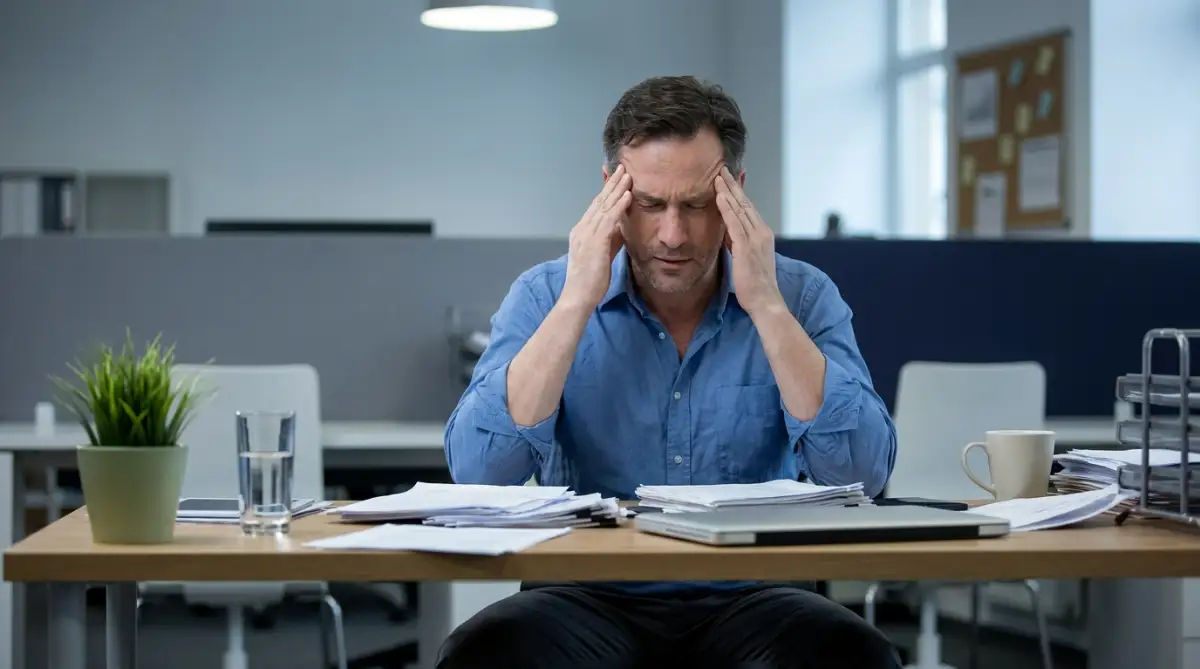
Common Physical Signs That Stress May Be Affecting Your Health
Many people notice physical symptoms before they realize stress is the underlying cause.
Some of the most common warning signs include:
Frequent Headaches
Muscle tension and hormonal changes often trigger headaches or migraines.
Constant Fatigue
Even after sleeping, many people still feel exhausted because chronic stress interferes with the body's natural recovery processes.
Muscle Pain and Stiffness
Stress causes muscles to tighten automatically.
This often leads to pain in the:
- Neck
- Shoulders
- Back
- Jaw
Digestive Problems
Stress directly affects digestion and may contribute to:
- Stomach discomfort
- Bloating
- Constipation
- Diarrhea
- Acid reflux
- Appetite changes
Poor Sleep
People under stress frequently experience:
- Difficulty falling asleep
- Waking during the night
- Restless sleep
- Early morning awakening
Poor sleep then increases stress further, creating a difficult cycle.
How Stress Affects the Cardiovascular System
One of the first systems affected by chronic stress is the cardiovascular system.
Every stressful event temporarily increases:
- Heart rate
- Blood pressure
- Blood vessel tension
Although these changes are normal during emergencies, repeated activation may place additional strain on the heart.
Research suggests that long-term stress may contribute to risk factors associated with cardiovascular health, especially when combined with unhealthy lifestyle habits such as poor nutrition, smoking, physical inactivity, and insufficient sleep.
Maintaining healthy stress management practices can support overall heart health alongside regular medical care and healthy living.
The Connection Between Stress and Your Immune System
Your immune system protects your body from viruses, bacteria, and other harmful organisms.
Chronic stress can reduce the efficiency of immune responses over time.
People experiencing ongoing stress may notice:
- More frequent colds
- Longer recovery periods
- Increased susceptibility to infections
- Slower wound healing
Stress hormones can influence immune function, making it more difficult for the body to maintain its normal defense mechanisms.
Supporting immunity involves more than vitamins and healthy food. Managing stress is also an important part of maintaining a healthy immune system.
Stress and Digestive Health
The digestive system and the brain communicate constantly through what scientists often call the "gut-brain connection."
Because of this close relationship, emotional stress can quickly influence digestion.
Common digestive changes linked with stress include:
- Loss of appetite
- Increased cravings for sugary foods
- Upset stomach
- Irritable bowel symptoms
- Nausea
- Indigestion
Some people eat significantly more during stressful periods, while others lose interest in food altogether.
Neither extreme supports long-term health.
Developing balanced eating habits during stressful times can help protect digestive function.
Why Stress Can Make Everyday Pain Feel Worse
Stress not only creates muscle tension but may also increase the body's sensitivity to pain.
People experiencing chronic stress often report:
- Neck pain
- Lower back pain
- Joint discomfort
- Jaw pain from teeth grinding
- Tension headaches
This occurs because stress influences both muscles and the nervous system.
When stress decreases, many people notice gradual improvements in overall physical comfort.
The Surprising Relationship Between Stress and Weight Changes
Stress affects appetite differently from person to person.
Some individuals experience emotional eating, while others lose their appetite completely.
High cortisol levels may influence eating behaviors by increasing cravings for foods that are:
- High in sugar
- High in fat
- Highly processed
Combined with reduced physical activity and poor sleep, these habits can contribute to weight gain over time.
On the other hand, prolonged stress may also result in unintended weight loss in some individuals due to decreased appetite.
Maintaining regular, balanced meals can help support healthy body function during stressful periods.
Recognizing When Your Body Is Asking for Help
Physical symptoms are sometimes the body's way of signaling that stress has reached an unhealthy level.
Pay attention if you notice several symptoms occurring together, such as:
- Constant fatigue
- Frequent illness
- Ongoing headaches
- Poor sleep
- Muscle pain
- Digestive discomfort
- Difficulty concentrating
Recognizing these signs early creates an opportunity to make positive lifestyle changes before stress begins affecting long-term health in more significant ways.
Practical Daily Habits That Help Reduce Stress and Protect Physical Health
Managing stress does not always require major life changes. In many cases, small, consistent habits can have a meaningful impact on both mental and physical well-being. The goal is not to eliminate every source of stress but to improve your body's ability to respond and recover.
Prioritize Quality Sleep
Sleep is one of the body's most powerful recovery tools. During sleep, the brain processes emotions, repairs tissues, balances hormones, and restores energy.
To improve sleep quality:
- Maintain a consistent bedtime and wake-up schedule.
- Keep your bedroom quiet, dark, and comfortable.
- Avoid heavy meals and excessive caffeine close to bedtime.
- Limit screen time before sleeping whenever possible.
- Develop a relaxing bedtime routine such as reading or gentle stretching.
Better sleep often leads to improved mood, stronger immunity, and better stress resilience.
Stay Physically Active
Regular movement helps lower stress hormones while encouraging the release of endorphins, which naturally improve mood.
You do not need intense workouts to experience benefits. Consider activities such as:
- Walking outdoors
- Cycling
- Swimming
- Yoga
- Stretching exercises
- Dancing
- Light strength training
Even moderate physical activity performed consistently can support heart health, improve sleep, reduce muscle tension, and increase energy.
Choose Balanced Nutrition
Food provides the nutrients your body needs to respond to stress effectively.
Aim to include:
- Fresh vegetables
- Fruits
- Whole grains
- Lean protein sources
- Healthy fats
- Nuts and seeds
- Plenty of water
Limiting highly processed foods, sugary beverages, and excessive alcohol may also help support steady energy levels throughout the day.
Practice Mindful Breathing
When stress rises, breathing often becomes faster and shallower.
Slow, controlled breathing encourages the body to shift toward a calmer state.
A simple breathing exercise:
- Inhale slowly through your nose for four seconds.
- Hold your breath briefly.
- Exhale gently through your mouth for six seconds.
- Repeat for several minutes.
This simple habit may help reduce muscle tension and improve focus during stressful moments.
Building Emotional Resilience Over Time
Stress cannot always be avoided, but resilience can be strengthened.
Emotional resilience refers to the ability to adapt to challenges while maintaining physical and emotional health.
Some practical ways to build resilience include:
Strengthen Social Connections
Supportive relationships can reduce feelings of isolation during difficult times.
Stay connected with:
- Family members
- Trusted friends
- Community groups
- Professional support when needed
Talking openly with someone you trust may provide comfort and
Leagement
Feeling overwhelmed ofteg to manage too many responsibilities at once.
Helpful strategies include:
- Prioritize important tasks.
- Break large projects into smaller steps.
- Schedule regular breaks.
- Avoid unnecessary multitasking.
- Set realistic expectations.
Good organization reduces unnecessary pressure and helps create a greater sense of control.
Accept That Not Everything Can Be Controlled
Many stressful situations involve factors outside our control.
Rather than focusing entirely on uncontrollable circumstances, direct your attention toward actions you can realistically take today.
This shift in perspective often reduces unnecessary mental strain.
Lifestyle Choices That May Increase Stress Without You Realizing It
Certain daily habits may quietly increase stress levels.
Being aware of these behaviors makes it easier to replace them with healthier alternatives.
Spending Too Much Time on Digital Devices
Constant notifications, endless scrolling, and excessive news consumption may contribute to mental fatigue.
Consider:
- Taking regular screen breaks.
- Turning off unnecessary notifications.
- Setting specific times to check emails or social media.
- Spending more time outdoors.
Skipping Meals
Missing meals may lead to unstable energy levels, irritability, and difficulty concentrating.
Eating balanced meals throughout the day helps support steady physical and mental performance.
Ignoring Rest
Many people believe productivity means working continuously.
However, the brain performs better when regular breaks are included.
Short periods of rest can improve concentration, creativity, and decision-making.

Stress Management Techniques That Fit Into Everyday Life
Healthy stress management should be practical rather than complicated.
Here are several simple techniques that many people successfully incorporate into daily routines.
Keep a Journal
Writing down thoughts and feelings may help organize emotions and identify stress triggers.
A journal can also be used to record:
- Daily achievements
- Gratitude
- Personal goals
- Positive experiences
Spend Time in Nature
Natural environments often promote relaxation.
Even a short walk in a park or sitting outside for a few minutes may help reduce mental fatigue.
Practice Gratitude
Focusing on positive aspects of life does not eliminate stress, but it can improve emotional balance.
Many people choose to write down three things they appreciate each day.
Enjoy Meaningful Hobbies
Creative and enjoyable activities provide healthy breaks from daily pressures.
Examples include:
- Reading
- Gardening
- Painting
- Cooking
- Photography
- Music
- Crafting
Regular hobbies contribute to emotional well-being and help restore energy.
Common Misunderstandings About Stress
Many myths about stress continue to circulate.
Understanding the facts allows people to make healthier decisions.
Myth: Stress Only Affects Mental Health
Reality:
Stress affects the entire body, including the cardiovascular, digestive, immune, hormonal, and musculoskeletal systems.
Myth: Being Busy Means Being Productive
Reality:
Constant overwork without recovery often reduces performance and increases burnout.
Balanced schedules generally support better long-term productivity.
Myth: Healthy People Are Immune to Stress
Reality:
Stress affects people of all ages and health backgrounds.
Even physically active individuals benefit from healthy stress management habits.
Myth: Ignoring Stress Makes It Go Away
Reality:
Unaddressed stress may gradually become more difficult to manage and may contribute to physical symptoms over time.
Recognizing stress early is often the healthier approach.
When Professional Support May Be Helpful
Although many people successfully manage everyday stress through healthy lifestyle habits, there are situations where additional support is appropriate.
Consider speaking with a qualified healthcare professional if stress:
- Persists for an extended period.
- Interferes with work or daily responsibilities.
- Significantly disrupts sleep.
- Leads to frequent physical symptoms.
- Causes ongoing feelings of hopelessness or overwhelming anxiety.
- Affects relationships or overall quality of life.
Seeking professional guidance is a proactive step toward protecting both physical and emotional health.
Creating a Personal Stress Management Plan
Having a simple plan makes healthy habits easier to maintain.
A practical daily routine may include:
Morning
- Drink water after waking.
- Eat a balanced breakfast.
- Stretch for a few minutes.
- Plan the day's priorities.
Afternoon
- Take short movement breaks.
- Stay hydrated.
- Eat nutritious meals.
- Practice deep breathing if stress increases.
Evening
- Reduce screen exposure.
- Spend time with family or friends.
- Read or enjoy a relaxing hobby.
- Prepare for consistent bedtime.
Consistency matters more than perfection.
Small improvements practiced regularly often produce meaningful long-term benefits.
Frequently Asked Questions
Can stress really cause physical symptoms?
Yes. Stress can influence multiple body systems, leading to symptoms such as headaches, muscle tension, digestive discomfort, fatigue, sleep disturbances, and increased heart rate.
Is all stress harmful?
No. Short-term stress can improve motivation, concentration, and performance. Problems usually arise when stress becomes frequent, prolonged, or overwhelming.
Can exercise help reduce stress?
Regular physical activity supports healthy hormone balance, improves mood, promotes better sleep, and helps reduce muscle tension. Even moderate exercise may provide noticeable benefits.
How long does it take to recover from chronic stress?
Recovery varies depending on individual circumstances, overall health, lifestyle habits, and the sources of stress. Consistent healthy habits and appropriate professional support can contribute to gradual improvement.
Does stress weaken the immune system?
Long-term stress may influence immune function, making it more difficult for the body to respond efficiently to illness. Healthy sleep, nutrition, exercise, and stress management all support overall immune health.
Can children and older adults experience physical effects from stress?
Yes. People of all ages can experience physical symptoms related to stress. The specific symptoms and coping strategies may differ depending on age, lifestyle, and individual health conditions.
Taking Positive Steps Toward Better Health
Stress is a normal part of life, but it should not become a permanent state. Understanding how stress affects the body empowers you to recognize early warning signs and take practical action before small concerns become larger health challenges.
Rather than striving for a completely stress-free life, focus on developing healthy responses that help your body recover, adapt, and remain resilient. By making thoughtful daily choices, you can protect your physical health while improving your overall quality of life.
Disclaimer
This article is intended for educational and informational purposes only and should not be considered medical advice, diagnosis, or treatment. Every individual has unique health needs. If you experience persistent physical symptoms, severe stress, anxiety, depression, chest pain, difficulty breathing, or any other concerning health condition, consult a qualified healthcare professional for personalized evaluation and care. Never delay seeking professional medical assistance because of information you have read online.