The Silent Mistake Beginners Make When Storing Their First Bitcoin
Bitcoin has changed the way people think about money. Unlike traditional bank accounts, Bitcoin allows individuals to own and control digital assets without relying on a central authority. This freedom is one of its greatest strengths—but it also comes with significant responsibility.
Many beginners spend hours researching which cryptocurrency to buy, when to invest, and how much Bitcoin they should own. Surprisingly, far fewer people spend enough time learning how to store their Bitcoin securely. That imbalance often becomes the biggest mistake they make.
The truth is simple: buying Bitcoin is only the beginning. Protecting it is the part that matters for the long term.
A small security mistake today could result in permanent loss tomorrow. Since Bitcoin transactions are generally irreversible, recovering lost funds can be extremely difficult—or impossible.
This guide explains the most common storage mistake beginners make, why it happens, and how you can build safer habits from your very first Bitcoin purchase
Why Bitcoin Storage Deserves More Attention Than Buying
When people first enter the cryptocurrency world, excitement usually focuses on price movements.
Questions like these dominate online discussions:
- Is Bitcoin going up?
- Is this the right time to invest?
- How much should I buy?
- Will the price double?
While these are reasonable questions, another one is often ignored:
Where will I safely store my Bitcoin?
Imagine buying valuable jewelry and leaving it on a public park bench. Most people would never do that with physical valuables.
Yet many beginners unknowingly take similar risks with digital assets simply because they don't understand how crypto storage works.
Security should never be treated as an afterthought.
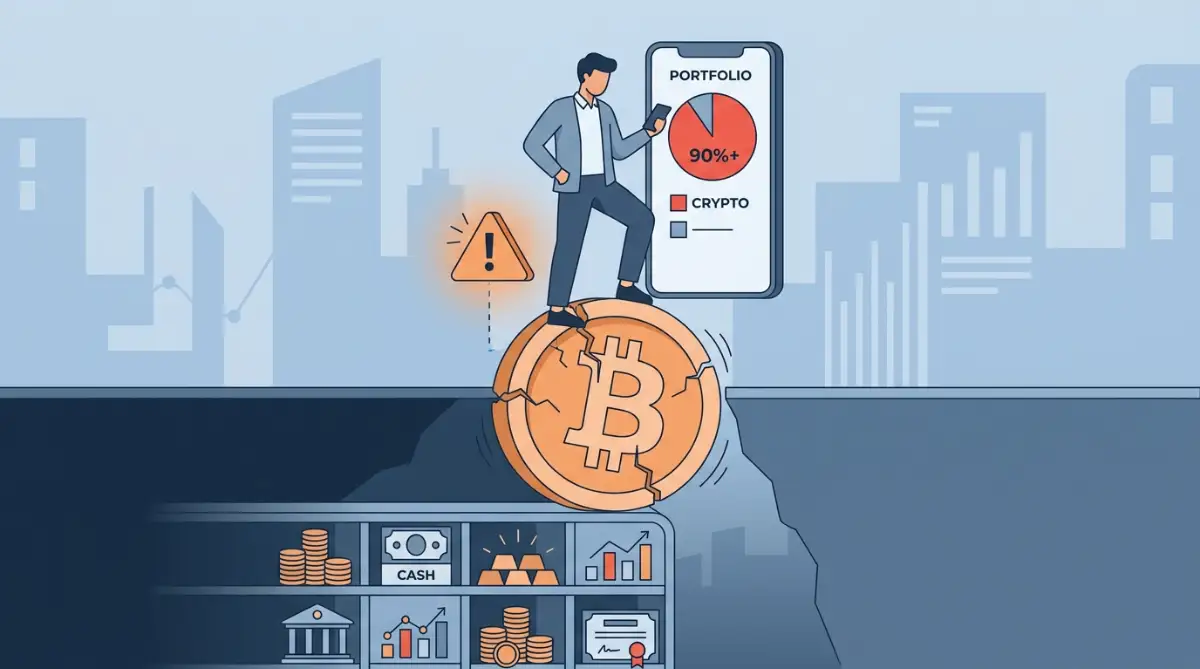
The Silent Mistake: Assuming Every Wallet Offers the Same Protection
The biggest beginner mistake isn't choosing the wrong cryptocurrency.
It isn't buying at the wrong price.
Instead, the silent mistake is believing that every place holding Bitcoin is equally secure.
Many newcomers think:
- Every crypto wallet works the same.
- Exchanges are permanent storage solutions.
- Passwords alone are enough.
- Security settings can be configured later.
These assumptions create unnecessary risks.
Different storage methods provide different levels of protection, convenience, and personal responsibility.
Understanding those differences is essential before investing significant amounts.
Understanding Who Controls Your Bitcoin
One of Bitcoin's most important concepts is ownership.
Ownership depends on private keys.
A private key is a unique cryptographic credential that allows access to your Bitcoin.
Whoever controls the private key controls the Bitcoin.
This leads to two broad storage approaches:
Custodial Storage
In custodial storage, another company manages your private keys.
Examples include many cryptocurrency exchanges and some online wallet services.
Advantages include:
- Easier account recovery
- Beginner-friendly interfaces
- Simple buying and selling
Potential trade-offs include:
- Less direct control
- Dependence on the provider's security
- Possible account restrictions
Seans you control your own private keys.
This gives you greater independence but also greater responsibility.
Advantages include:
- Direct ownership
- Reduced dependence on third parties
- Better long-term control
Responsibilities include:
- Protecting recovery phrases
- Managing backups
- Following strong security practices
Neither approach is automatically perfect for everyone. The best choice depends on your experience, goals, and willingness to manage security.
Why Beginners Often Leave Bitcoin in One Place
Many people buy Bitcoin through an exchange.
After purchasing, they simply leave it there because it feels convenient.
This decision often happens for understandable reasons:
- They don't know other storage options exist.
- They fear making mistakes during transfers.
- They assume the exchange is the safest place.
- They believe they will sell soon anyway.
Convenience is valuable, but understanding your storage choices allows you to make informed decisions rather than relying on assumptions.
Common Misunderstandings About Crypto Wallets
New investors frequently misunderstand what a wallet actually does.
A Bitcoin wallet does not physically store coins.
Instead, it stores the information needed to access and manage your Bitcoin on the blockchain.
Think of it like this:
Your email app doesn't store the entire internet.
It provides secure access to your account.
Similarly, a crypto wallet helps manage access to your digital assets.
Understanding this concept makes many security practices much easier to understand.
Different Types of Bitcoin Wallets
Several wallet categories exist, each designed for different situations.
Software Wallets
Software wallets run on:
- Smartphones
- Computers
- Tablets
Benefits include:
- Easy access
- Convenient transactions
- Suitable for everyday use
Considerations include:
- Device security matters
- Regular updates are important
- Malware protection helps reduce risk
- Hardware Wallets
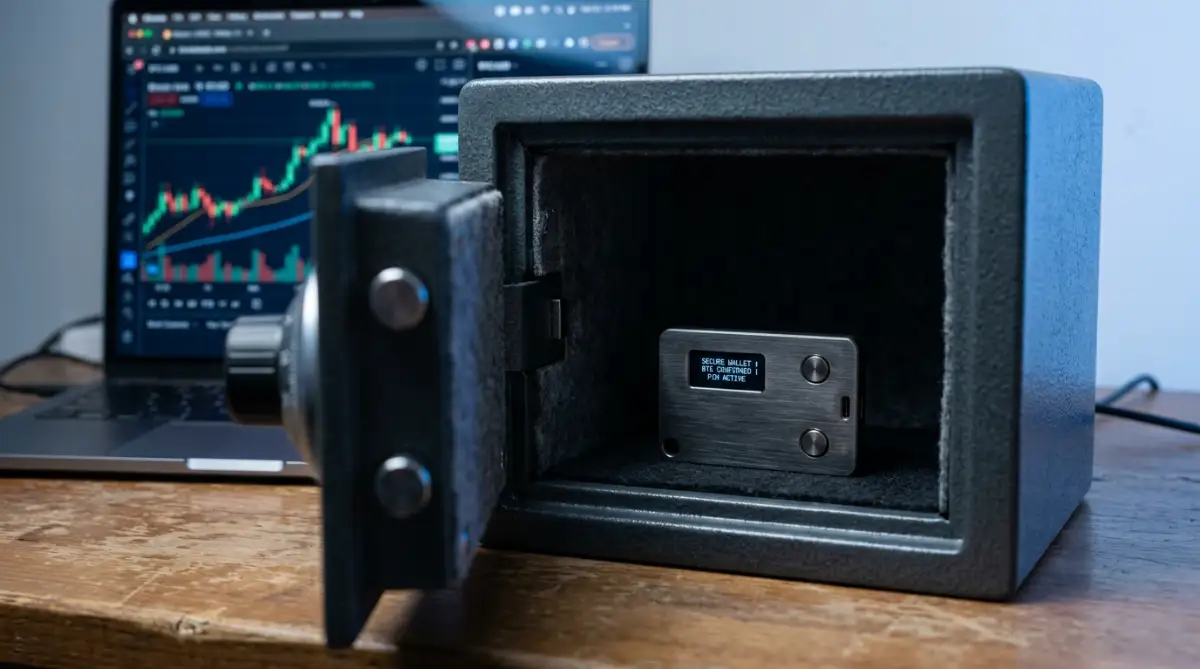
Hardware wallets are dedicated devices designed to protect private keys offline.
Benefits include:
- Strong isolation from internet-connected devices
- Enhanced protection against many online threats
- Popular for long-term storage
They still require proper setup, secure backups, and careful handling.
Paper Backups
Some users create offline written backups of recovery information.
If choosing this approach, backups should be:
- Legible
- Protected from water
- Protected from fire
- Stored privately
The goal is preserving recovery information without exposing it to unauthorized people.
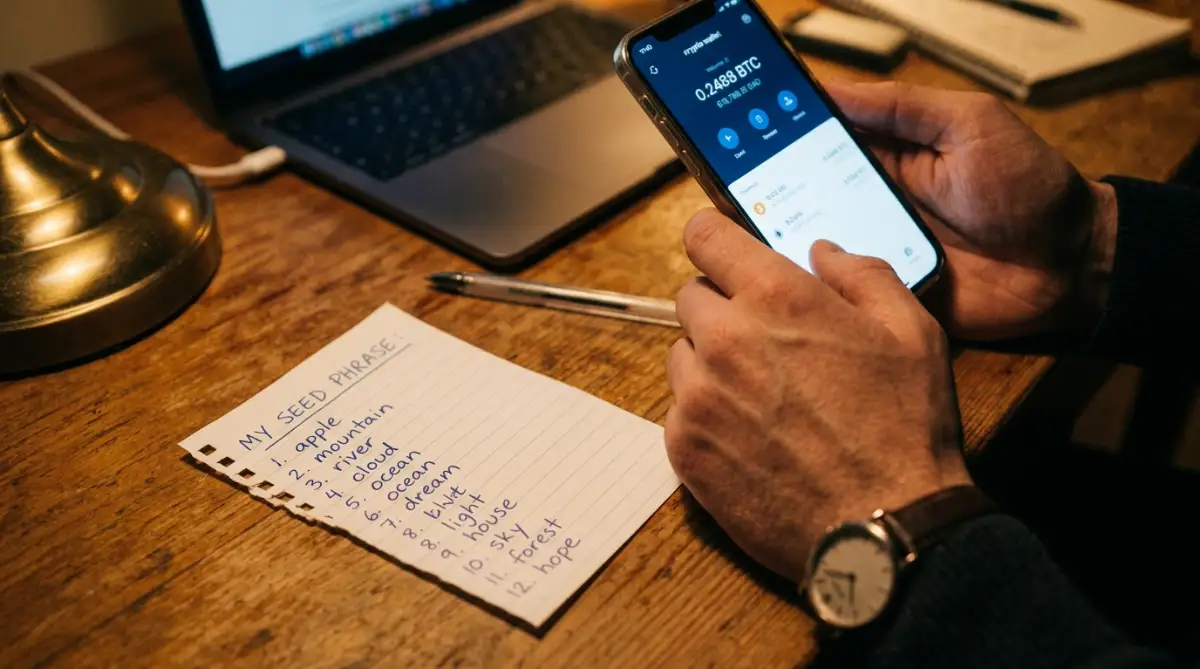
The Importance of Recovery Phrases
Many wallets generate a recovery phrase during setup.
This phrase is often a sequence of words.
It serves as a backup that allows wallet recovery if your device becomes unavailable.
This recovery phrase deserves exceptional protection.
Good practices include:
- Writing it down carefully
- Verifying every word
- Keeping it offline
- Avoiding unnecessary digital copies
Sharing a recovery phrase with anyone can place your Bitcoin at risk.
Passwords Alone Are Not Enough
Many beginners believe a strong password solves every security problem.
Strong passwords are important, but they represent only one layer of protection.
Additional protective habits may include:
- Two-factor authentication
- Secure devices
- Updated software
- Trusted internet connections
- Careful account monitoring
Security works best through multiple layers rather than a single defense.
Phishing: A Common Threat to New Investors
One of the most common crypto threats is phishing.
Phishing attempts try to trick users into revealing sensitive information.
Examples include:
- Fake login pages
- Fraudulent emails
- Impersonation messages
- Counterfeit wallet websites
- Fake customer support
Before entering credentials, always verify:
- Website addresses
- Official communication channels
- Correct application sources
Taking a few extra moments can help prevent costly mistakes.
Why Public Wi-Fi Can Increase Risk
Public wireless networks may expose users to additional security concerns.
When managing cryptocurrency accounts, many security professionals recommend using trusted private networks whenever possible.
If you must access financial accounts while traveling, maintaining secure browsing habits becomes even more important.
Device Security Matters
Your wallet can only be as secure as the device you use.
Helpful habits include:
- Installing operating system updates
- Removing unused applications
- Using trusted antivirus software where appropriate
- Locking devices with strong authentication
- Avoiding unknown downloads
Good device hygiene reduces many common digital risks.
Backups Can Save You From Disaster
Hardware failures happen.
Phones get lost.
Computers stop working.
Without proper backups, recovering wallet access may become impossible.
Create backups carefully and verify they are complete before relying on them.
Store backup information securely in locations protected from damage and unauthorized access.

Emotional Decisions Can Lead to Security Mistakes
Excitement often causes rushed decisions.
Some examples include:
- Skipping wallet setup instructions
- Ignoring backup steps
- Clicking unfamiliar links
- Trusting unsolicited messages
- Sharing account details too freely
Taking time to understand each step usually leads to safer long-term habits.
A Beginner-Friendly Bitcoin Security Checklist
If you're storing Bitcoin for the first time, review this checklist:
- Learn the difference between custodial and self-custody storage.
- Understand what private keys and recovery phrases are.
- Enable two-factor authentication where available.
- Use strong, unique passwords.
- Keep software updated.
- Verify website addresses before signing in.
- Store recovery information securely offline.
- Protect devices with secure authentication.
- Avoid sharing sensitive wallet information.
- Review your security practices regularly.
Small habits established early can have lasting .
Building Long-Term Bitcoin Security Habits
Protecting Bitcoin is not something you do once and forget. Security is an ongoing process that evolves as your knowledge, investment size, and technology change. The safest Bitcoin holders are rarely those with the most advanced technical skills. Instead, they are the people who consistently follow good security habits.
Whether you own a small amount of Bitcoin or are planning to increase your investment over time, developing a routine can significantly reduce unnecessary risks.
Some healthy long-term habits include:
- Reviewing wallet security settings regularly.
- Updating trusted wallet software when official updates become available.
- Verifying backup information occasionally without exposing it publicly.
- Staying informed about common online scams.
- Keeping personal devices secure and free from suspicious software.
- Being cautious before approving any transaction.
Security is not about being afraid. It is about making thoughtful decisions every time you interact with your cryptocurrency.
How to Choose a Wallet That Matches Your Needs
One of the biggest mistakes beginners make is copying someone else's setup without understanding why it works for them.
Instead, ask yourself a few practical questions:
- Will you access Bitcoin frequently?
- Are you planning to hold it for a long period?
- How comfortable are you with managing recovery information?
- Do you prefer convenience or maximum personal control?
Different users have different priorities.
Someone making frequent transactions may value accessibility, while a long-term investor may prioritize stronger offline protection.
The important point is understanding the strengths and limitations of each storage method before making a decision.
Recognizing Social Engineering Attacks
Not every security threat involves sophisticated technology.
Many attacks rely on human psychology.
This is known as social engineering.
A scammer may pretend to be:
- Technical support
- A cryptocurrency exchange representative
- A friend
- A financial expert
- A community moderator
Their goal is often to create urgency.
Examples include:
- "Your account has been suspended."
- "Verify your wallet immediately."
- "Claim your reward before it expires."
- "Your Bitcoin is at risk."
These messages are designed to make people act without thinking.
Whenever you receive unexpected requests involving cryptocurrency accounts, pause and verify them through official communication channels.
Why Sharing Your Crypto Activity Can Be Risky
Many new investors enjoy discussing their first Bitcoin purchase on social media.
While sharing educational experiences is perfectly reasonable, revealing sensitive financial details may create unnecessary privacy concerns.
Consider avoiding public disclosure of:
- Wallet balances
- Recovery phrases
- QR codes linked to personal wallets
- Screenshots containing sensitive account information
- Login credentials
Maintaining privacy can become another valuable layer of security.
Safe Practices When Using Mobile Wallets
Mobile wallets provide excellent convenience, but smartphones should still be treated like financial devices.
Helpful practices include:
Enable Device Authentication
Use secure screen locks such as:
- Strong PINs
- Passwords
- Biometrics when available
Download Applications Carefully
Only install wallet applications from trusted official sources.
Avoid downloading modified versions from unknown websites.
Keep Automatic Backups Secure
Understand how your device stores backup information.
If cloud backups include sensitive wallet information, review the security options available for your specific wallet.
Avoid Installing Unknown Software
Some malicious applications attempt to monitor clipboard contents or imitate legitimate wallet apps.
Installing only trusted software reduces this risk.
Desktop Wallet Security Tips
If you manage Bitcoin from a computer, maintaining good computer security becomes essential.
Useful practices include:
- Keep your operating system updated.
- Remove unused browser extensions.
- Use trusted security software if appropriate.
- Lock your computer when away.
- Avoid downloading unknown attachments.
- Verify wallet software before installation.
A secure computer creates a stronger foundation for managing digital assets.
The Importance of Testing Your Recovery Process
Many users carefully write down their recovery phrase but never verify whether it works.
While every wallet has its own recovery process, understanding how recovery works before an emergency occurs can reduce stress later.
Learning the recovery procedure in advance can improve confidence and preparedness.
Always follow the instructions provided by the wallet developer and never expose your recovery phrase unnecessarily during testing.
Understanding Transaction Confirmation
Bitcoin transactions require confirmations on the blockchain.
For beginners, this can sometimes feel confusing.
It is important to remember:
- A transaction being "sent" does not always mean it has been fully confirmed.
- Network activity may influence confirmation times.
- Wallet interfaces may display different confirmation statuses.
Understanding these normal processes helps prevent unnecessary concern when transferring Bitcoin.
Avoid Rushing Large Transfers
Whenever sending Bitcoin to a new address, patience is valuable.
Many experienced users first send a small test transaction.
Once they confirm it arrives successfully, they proceed with larger transfers if needed.
Although this may take slightly more time, it can reduce the chance of mistakes caused by typing errors or incorrect wallet addresses.
Learn to Verify Wallet Addresses Carefully
Bitcoin addresses consist of long strings of letters and numbers.
Because they are difficult to memorize, users sometimes copy and paste them.
Before confirming a transaction:
- Compare the beginning of the address.
- Compare the ending of the address.
- Double-check the destination.
- Confirm you copied the intended wallet.
Even small verification habits can make a significant difference.
Keeping Emotions Out of Security Decisions
Cryptocurrency markets often experience periods of excitement and uncertainty.
During emotional moments, people may become less careful.
Examples include:
- Buying impulsively during rapid price movements.
- Moving funds too quickly.
- Ignoring security warnings.
- Trusting unofficial information.
A calm approach usually leads to better decision-making.
Security should never depend on market emotions.
Staying Informed Without Following Every Trend
The cryptocurrency industry changes frequently.
New wallets, services, educational resources, and security recommendations appear regularly.
However, not every new trend needs immediate adoption.
Instead:
- Read information from reputable educational sources.
- Compare multiple viewpoints.
- Understand how new tools work before using them.
- Be cautious with promises that sound unrealistic.
Learning steadily is often more valuable than constantly chasing the newest technology.
Security Habits That Scale With Your Investment
As your Bitcoin holdings grow, your security approach may also evolve.
For example:
A beginner investing a modest amount may choose a simple storage setup while learning.
Someone managing a larger portfolio may decide to strengthen backups, improve device security, or use additional protective measures.
The key lesson is that security is not static.
Reviewing your approach periodically helps ensure it still matches your needs.
Frequently Asked Questions
Is it safe to leave Bitcoin on an exchange?
Some people choose exchange custody for convenience, while others prefer self-custody for greater personal control. Understanding the benefits and responsibilities of each option helps you make an informed decision based on your circumstances.
What happens if I lose my phone?
If your wallet supports recovery and your recovery information has been stored securely, you may be able to restore access using the wallet's official recovery process.
Can someone steal Bitcoin by knowing my wallet address?
A wallet address alone is generally intended for receiving transactions and does not provide control over your Bitcoin. Sensitive information such as private keys and recovery phrases must always remain confidential.
Should I store my recovery phrase digitally?
Many security professionals recommend keeping recovery phrases offline to reduce exposure to online threats. Follow the recommendations provided by your wallet provider and choose a method that balances security with reliable access.
How often should I review my security setup?
There is no universal schedule, but reviewing your security after major device changes, wallet updates, or significant investment changes is generally considered a sensible practice.
Key Lessons Every Beginner Should Remember
By now, one message should be clear:
Buying Bitcoin is relatively straightforward.
Protecting Bitcoin requires continuous awareness.
Successful long-term Bitcoin holders usually share several common habits:
- They understand how wallets work.
- They protect private information carefully.
- They verify transactions before sending.
- They stay cautious of scams.
- They continue learning over time.
- They prioritize security over convenience when appropriate.
These habits are simple, practical, and achievable for beginners.
Final Thoughts
Bitcoin offers a unique opportunity to participate in a decentralized financial system, but ownership comes with responsibility. Understanding secure storage is one of the most valuable investments you can make—often even more valuable than trying to predict market prices.
Rather than focusing only on purchasing Bitcoin, take the time to build strong security habits from the beginning. Learn how wallets function, understand the importance of private keys and recovery phrases, verify transactions carefully, and remain alert to common scams.
No security method can eliminate every risk, but informed decisions and consistent best practices can greatly reduce the chances of preventable mistakes. As your knowledge grows, so will your confidence in managing your digital assets responsibly.
Treat Bitcoin security as an ongoing learning journey instead of a one-time task. A thoughtful, patient, and well-informed approach can help protect your cryptocurrency for years to come.
Disclaimer
This article is provided for educational and informational purposes only and should not be considered financial, investment, legal, tax, cybersecurity, or professional advice. Cryptocurrency investments involve risks, including the potential loss of capital. Always conduct your own research, evaluate your personal circumstances, and consult a qualified professional when appropriate. Mention of wallets, exchanges, or security practices is intended for educational discussion only and does not constitute an endorsement or recommendation of any specific product or service.