
Hidden Reasons Why You Feel Tired Even After Sleeping Well
Have you ever slept for seven to nine hours, woken up expecting to feel refreshed, and instead felt just as exhausted as when you went to bed?
You're not alone.
Many people believe that simply spending enough time in bed automatically guarantees good energy the next day. In reality, the number of hours you sleep is only one part of the equation. Your body depends on many biological, mental, and lifestyle factors that work together to produce real rest.
Persistent fatigue can affect your concentration, mood, work performance, physical health, and overall quality of life. It may even reduce your motivation to exercise, prepare healthy meals, or enjoy activities that once made you happy.
The good news is that constant tiredness often has identifiable causes. Understanding these hidden factors can help you make informed decisions about improving your daily energy.
In this guide, you'll learn why you may still feel tired despite sleeping well, how lifestyle habits influence your energy, and when persistent fatigue deserves medical attention.
Sleep Duration Isn't the Same as Sleep Quality
One of the biggest misconceptions about sleep is believing that more hours automatically mean better rest.
Quality matters just as much as quantity.
Healthy sleep follows several cycles that include light sleep, deep sleep, and REM (Rapid Eye Movement) sleep. During these stages, your brain processes memories, your muscles recover, hormones regulate, and your immune system performs essential maintenance.
If these sleep cycles are interrupted—even without you remembering—you may wake feeling exhausted.
Factors that reduce sleep quality include:
- Frequent nighttime awakenings
- Loud environments
- Room temperature that's too hot or too cold
- Excessive screen use before bed
- Stress-related sleep interruptions
- Certain medical conditions
A person can technically sleep for eight hours while still experiencing poor restorative sleep.
Hidden Sleep Disorders That Often Go Undiagnosed
Many people don't realize they have a sleep disorder because they're unconscious while symptoms occur.
Obstructive Sleep Apnea
Sleep apnea causes repeated pauses in breathing during sleep.
Common warning signs include:
- Loud snoring
- Morning headaches
- Dry mouth upon waking
- Excessive daytime sleepiness
- Difficulty concentrating
Each breathing pause briefly wakes the brain, preventing deep restorative sleep.
Restless Legs Syndrome
People with restless legs syndrome experience uncomfortable sensations in their legs, especially during the evening.
These sensations create an irresistible urge to move, making it difficult to fall asleep or stay asleep.
Periodic Limb Movements
Some individuals repeatedly move their legs throughout the night without realizing it.
These movements interrupt normal sleep cycles and may contribute to persistent fatigue.
If these symptoms occur regularly, discussing them with a healthcare professional is important.
Your Body May Be Missing Essential Nutrients
Even a balanced-looking diet can sometimes lack nutrients needed for energy production.
Several nutritional deficiencies are commonly linked to fatigue.
Iron
Iron helps transport oxygen throughout the body.
Low iron levels may lead to:
- Weakness
- Pale skin
- Shortness of breath
- Constant tiredness
- Reduced physical endurance
Vitamin B12
Vitamin B12 supports healthy nerve function and red blood cell production.
Deficiency can cause:
- Fatigue
- Tingling sensations
- Memory problems
- Difficulty concentrating
Vitamin D
Vitamin D influences bone health, immune function, and muscle performance.
Low levels have been associated with tiredness and muscle weakness in many individuals.
Magnesium
Magnesium supports hundreds of biochemical reactions involved in muscle function, sleep regulation, and energy metabolism.
Low intake may contribute to poor sleep quality and daytime fatigue.
Only laboratory testing can accurately determine whether a deficiency exists.
Dehydration Can Quietly Drain Your Energy
Many people underestimate how much hydration affects daily performance.
Possible symptoms include:
- Fatigue
- Headaches
- Poor concentration
- Dry mouth
- Dizziness
- Reduced exercise performance
Hydration needs vary based on climate, activity level, age, and overall health.
Drinking water consistently throughout the day supports normal body function.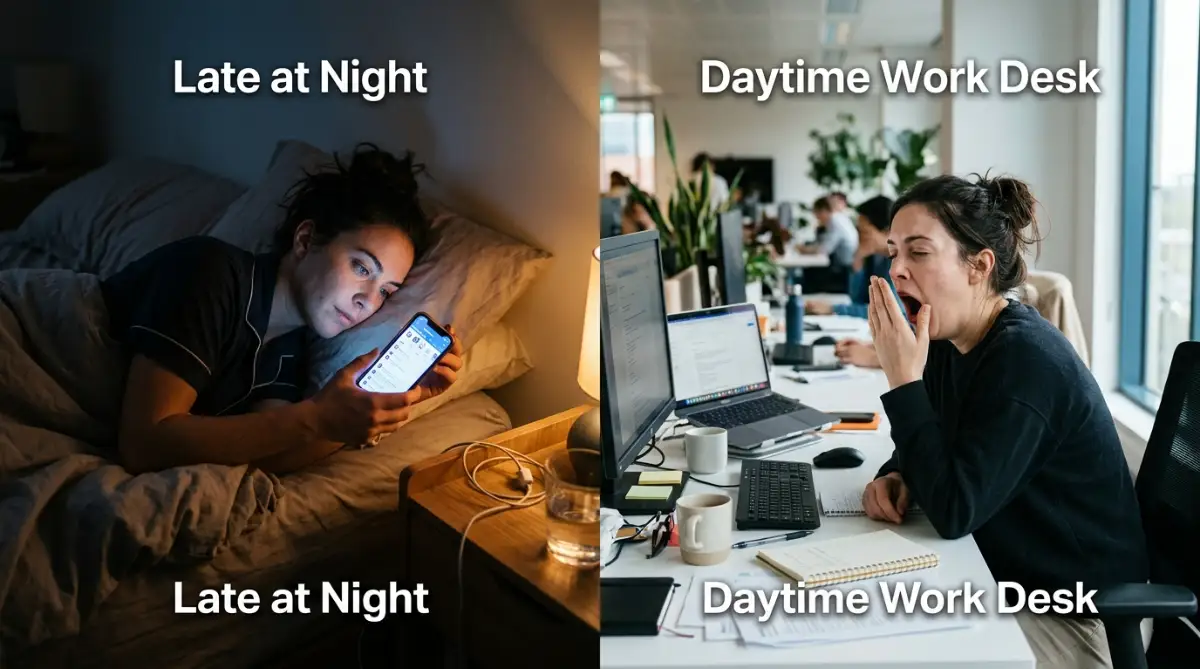
Chronic Stress Changes the Way Your Body Functions
Stress isn't just emotional.
It also produces physical changes throughout the body.
When stress continues for long periods, hormones like cortisol remain elevated. Over time, this can interfere with:
- Sleep quality
- Immune function
- Mood regulation
- Memory
- Energy production
People living with chronic stress often report feeling mentally exhausted even after adequate sleep.
Learning healthy stress-management techniques may improve both sleep quality and daytime energy.
Anxiety and Depression Can Cause Physical Fatigue
Mental health and physical energy are closely connected.
Depression doesn't always involve sadness.
Some people mainly experience:
- Constant tiredness
- Lack of motivation
- Difficulty concentrating
- Loss of interest
- Slow thinking
Similarly, anxiety can keep the brain in a constant state of alertness, preventing truly restorative sleep.
Persistent emotional symptoms should never be ignored.
Professional support can make a meaningful difference.
Blood Sugar Fluctuations May Leave You Feeling Exhausted
Your brain relies on a steady supply of glucose for energy.
Large swings in blood sugar may contribute to fatigue.
Common habits that affect blood sugar include:
- Skipping breakfast
- Eating large amounts of refined sugar
- Consuming highly processed snacks
- Irregular meal schedules
Choosing balanced meals that include protein, fiber, healthy fats, and complex carbohydrates may help maintain steadier energy throughout the day.
People with diabetes or prediabetes should follow personalized guidance from their healthcare provider.
Your Thyroid Could Be Slowing Everything Down
The thyroid gland regulates metabolism.
When it becomes underactive—a condition called hypothyroidism—the body's processes slow down.
Symptoms often include:
- Fatigue
- Weight gain
- Feeling cold
- Dry skin
- Constipation
- Slow heart rate
Because these symptoms develop gradually, many people assume they're simply getting older or working too hard.
A healthcare provider can evaluate thyroid function through blood tests when appropriate.
Inactivity Can Surprisingly Increase Fatigue
It seems logical that resting more should increase energy.
However, prolonged inactivity often has the opposite effect.
Regular physical activity helps improve:
- Blood circulation
- Cardiovascular health
- Muscle strength
- Sleep quality
- Mood
- Overall stamina
Even moderate daily movement may reduce feelings of fatigue over time.
Simple activities such as walking, stretching, cycling, or light strength exercises can make a noticeable difference.
Too Much Caffeine May Be Backfiring
Coffee and energy drinks provide temporary alertness.
However, excessive caffeine can interfere with natural sleep cycles, especially when consumed later in the day.
This creates a cycle:
You feel tired.
You drink more caffeine.
Sleep quality declines.
You wake up feeling even more tired.
Moderating caffeine intake and avoiding it close to bedtime may improve long-term energy.
Alcohol May Reduce Restorative Sleep
Although alcohol can make people feel sleepy initially, it often disrupts the deeper stages of sleep later in the night.
This may lead to:
- Frequent awakenings
- Reduced REM sleep
- Morning grogginess
- Lower daytime alertness
Limiting alcohol near bedtime may improve overall sleep quality for many individuals.
Certain Medications Can Cause Daytime Sleepiness
Some prescription and over-the-counter medications list fatigue as a possible side effect.
Examples include certain:
- Allergy medications
- Blood pressure medications
- Antidepressants
- Pain medications
- Muscle relaxants
Never stop taking prescribed medication without consulting the healthcare professional who prescribed it.
If fatigue began after starting a medication, discuss your concerns during your next appointment.
Everyday Habits That Can Help You Wake Up Feeling More Refreshed
Feeling tired after what seems like a full night's sleep can be frustrating, but small, consistent lifestyle improvements often have a greater impact than dramatic changes. Instead of looking for a quick fix, focus on building habits that support your body's natural sleep and energy systems.
Keep a Consistent Sleep Schedule
Your body follows an internal clock known as the circadian rhythm. This biological clock regulates when you feel sleepy and when you naturally become alert.
Going to bed and waking up at roughly the same time every day helps strengthen this rhythm. Constantly changing your bedtime or sleeping much later on weekends can disrupt your sleep cycle, making it harder to wake up feeling refreshed.
To maintain a healthy schedule:
- Aim for a consistent bedtime each night.
- Wake up at approximately the same time every morning.
- Avoid staying up significantly later on weekends.
- Give your body time to develop a predictable routine.
Consistency often matters just as much as the total number of hours you sleep.
Create a Bedroom That Supports Better Sleep
Your sleeping environment has a major influence on sleep quality.
A comfortable room encourages deeper and less interrupted sleep.
Consider these simple adjustments:
- Keep the bedroom cool and well-ventilated.
- Reduce unnecessary noise whenever possible.
- Make the room as dark as practical during sleeping hours.
- Use a supportive mattress and comfortable pillows.
- Keep electronic distractions away from the bed.
Your brain gradually begins to associate the bedroom with rest, making it easier to fall asleep naturally.
Reduce Screen Exposure Before Bed
Smartphones, tablets, televisions, and laptops have become part of everyday life, but they can interfere with healthy sleep habits.
Bright screens may delay your body's natural production of melatonin, the hormone that helps regulate sleep.
Instead of scrolling through social media before bed, consider calming alternatives such as:
- Reading a printed book
- Gentle stretching
- Journaling
- Listening to relaxing music
- Practicing deep breathing exercises
Creating a technology-free bedtime routine may improve both sleep quality and morning energy.
Make Nutrition Work for Your Energy
Food is one of your body's primary energy sources.
Skipping meals or relying heavily on highly processed foods may contribute to fatigue throughout the day.
A balanced eating pattern generally includes:
Protein Sources
Protein supports muscle maintenance and helps you feel satisfied longer.
Examples include:
- Eggs
- Fish
- Chicken
- Beans
- Lentils
- Greek yogurt
- Tofu
High-Fiber Foods
Fiber helps maintain steady blood sugar levels.
Good choices include:
- Oats
- Brown rice
- Vegetables
- Fruits
- Whole-grain bread
- Legumes
Healthy Fats
Healthy fats support brain function and overall health.
Examples include:
- Avocados
- Nuts
- Seeds
- Olive oil
Rather than focusing on restrictive diets, aim for balanced meals that provide consistent nourishment.
Stay Physically Active Throughout the Day
Exercise does more than improve fitness.
Regular movement can:
- Increase circulation
- Improve cardiovascular health
- Enhance sleep quality
- Reduce stress
- Support healthy mood
- Improve daytime alertness
Even if you have a desk job, standing up, stretching, or taking short walks throughout the day may help reduce feelings of sluggishness.
Choose activities you enjoy, making it easier to stay consistent over time.
Don't Ignore Your Mental Well-Being
Mental health plays a significant role in physical energy.
High levels of emotional stress may leave you feeling drained, even after adequate sleep.
Helpful strategies include:
- Talking with trusted family members or friends
- Practicing mindfulness
- Spending time outdoors
- Engaging in enjoyable hobbies
- Setting realistic daily goals
- Taking regular breaks during busy workdays
Seeking professional mental health support is also an important option when emotional symptoms become persistent or overwhelming.
Watch for Signs That Your Body Needs Medical Attention
Occasional tiredness is common.
Persistent fatigue lasting several weeks deserves closer evaluation.
Consider speaking with a healthcare professional if fatigue occurs alongside:
- Unexplained weight changes
- Persistent fever
- Chest pain
- Difficulty breathing
- Fainting
- Blood in the stool
- Severe headaches
- Significant memory problems
- Depression or anxiety symptoms
- Swollen lymph nodes
These symptoms may indicate an underlying medical condition requiring proper diagnosis.
Common Mistakes That Keep People Feeling Exhausted
Many people unintentionally make choices that reduce their energy without realizing it.
Some of the most common include:
Believing More Sleep Always Solves the Problem
Sleeping longer isn't always the answer.
Poor-quality sleep, nutritional deficiencies, or medical conditions may still cause fatigue.
Depending on Energy Drinks
Energy drinks may temporarily improve alertness, but they don't address the underlying cause of tiredness.
Excessive consumption may also increase anxiety, disrupt sleep, and contribute to dehydration.
Ignoring Persistent Symptoms
Feeling tired every day for months should not simply be accepted as "normal."
Early evaluation may identify treatable conditions before they worsen.
Skipping Physical Activity
Although resting feels tempting when you're exhausted, complete inactivity often reduces energy further.
Regular movement supports better long-term vitality.
Assuming Stress Is "Just Part of Life"
Chronic stress affects sleep, hormones, immunity, and emotional health.
Managing stress is an important part of maintaining consistent energy.
A Simple Daily Routine to Support Healthy Energy Levels
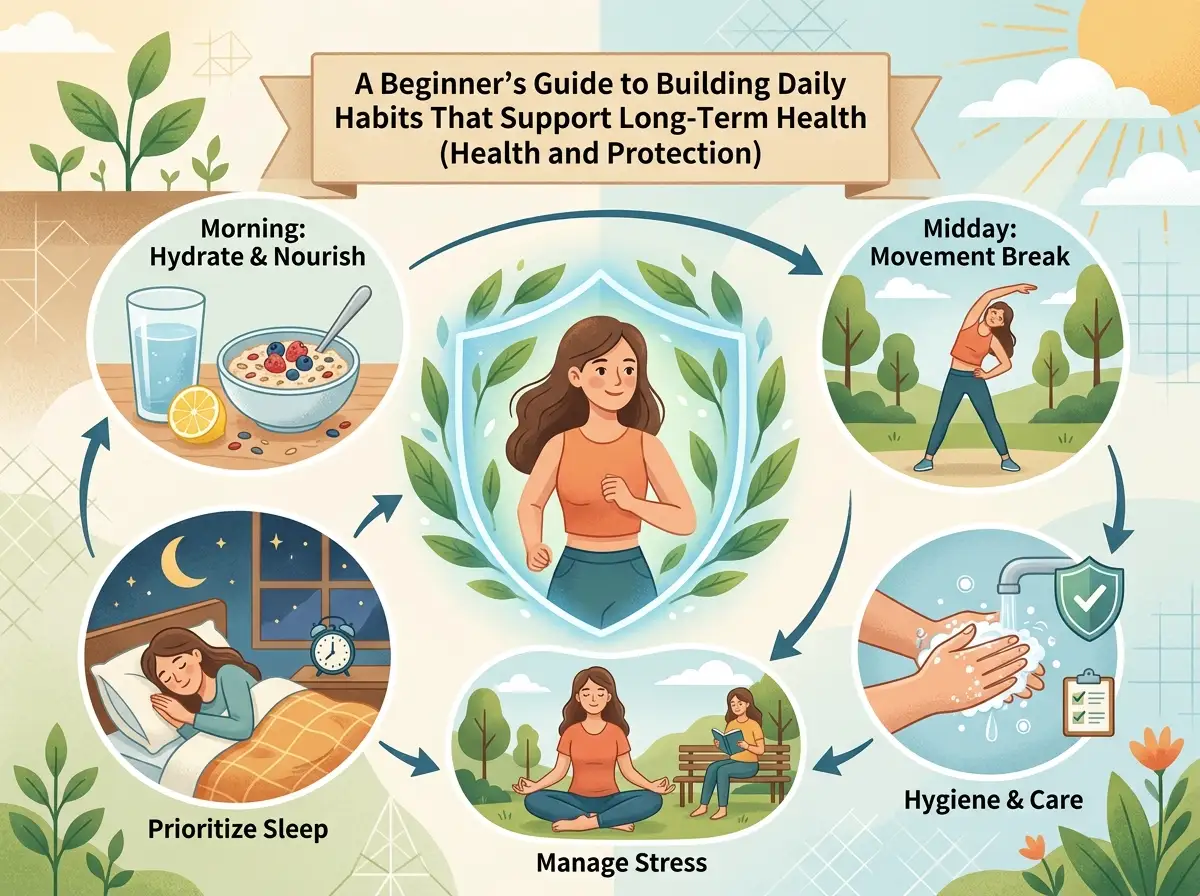
Building healthy habits doesn't require perfection.
Small improvements repeated consistently often produce meaningful results.
Morning
- Wake up at a consistent time.
- Drink a glass of water.
- Eat a balanced breakfast if appropriate for your dietary needs.
- Spend a few minutes in natural daylight.
- Include light movement such as walking or stretching.
Afternoon
- Eat balanced meals.
- Stay hydrated.
- Take short movement breaks if sitting for long periods.
- Limit excessive sugary snacks.
Evening
- Finish large meals well before bedtime.
- Reduce caffeine later in the day.
- Limit screen exposure before sleeping.
- Create a relaxing bedtime routine.
- Go to bed at a consistent time.
Over time, these habits can contribute to improved sleep quality and daytime alertness.
Frequently Asked Questions
Why do I feel tired even after sleeping eight hours?
The number of hours slept doesn't always reflect sleep quality. Interrupted sleep, stress, sleep disorders, nutritional deficiencies, certain medications, and underlying medical conditions can all contribute to daytime fatigue.
Can dehydration really make me feel exhausted?
Yes. Even mild dehydration may reduce physical performance, concentration, and overall energy levels. Drinking adequate fluids throughout the day supports normal body function.
Is feeling tired every day considered normal?
Occasional fatigue is common, especially during periods of stress or illness. However, ongoing tiredness that persists despite adequate sleep should be discussed with a qualified healthcare professional.
Can poor diet affect my energy?
Absolutely. Nutrient deficiencies, irregular eating patterns, and diets high in highly processed foods may contribute to fatigue and reduced concentration.
Does exercise help if I'm already tired?
For many healthy individuals, regular moderate physical activity improves energy over time. However, severe or unexplained fatigue should be medically evaluated before beginning a new exercise program.
Can stress alone cause constant fatigue?
Chronic stress may significantly affect sleep quality, hormone regulation, mood, and overall energy, making it an important factor to address.
Key Takeaways
Feeling tired after sleeping well is often more complex than simply not getting enough rest. Your energy depends on sleep quality, nutrition, hydration, mental health, physical activity, hormone balance, and overall medical health working together.
Instead of focusing only on increasing sleep duration, pay attention to your daily habits and any persistent symptoms your body may be signaling. Small lifestyle improvements can make a meaningful difference, but ongoing or unexplained fatigue should never be ignored.
Listening to your body, maintaining healthy routines, and seeking professional medical advice when needed are the most reliable steps toward improving long-term energy and overall well-being.
Disclaimer
This article is intended for educational and informational purposes only and should not be considered medical advice, diagnosis, or treatment. Every individual has unique health needs, and symptoms such as persistent fatigue may have many possible causes. If you experience ongoing tiredness, worsening symptoms, or fatigue accompanied by chest pain, difficulty breathing, fainting, severe headaches, unexplained weight changes, or other concerning signs, consult a qualified healthcare professional promptly. Never delay or ignore professional medical advice based on information found in this article.