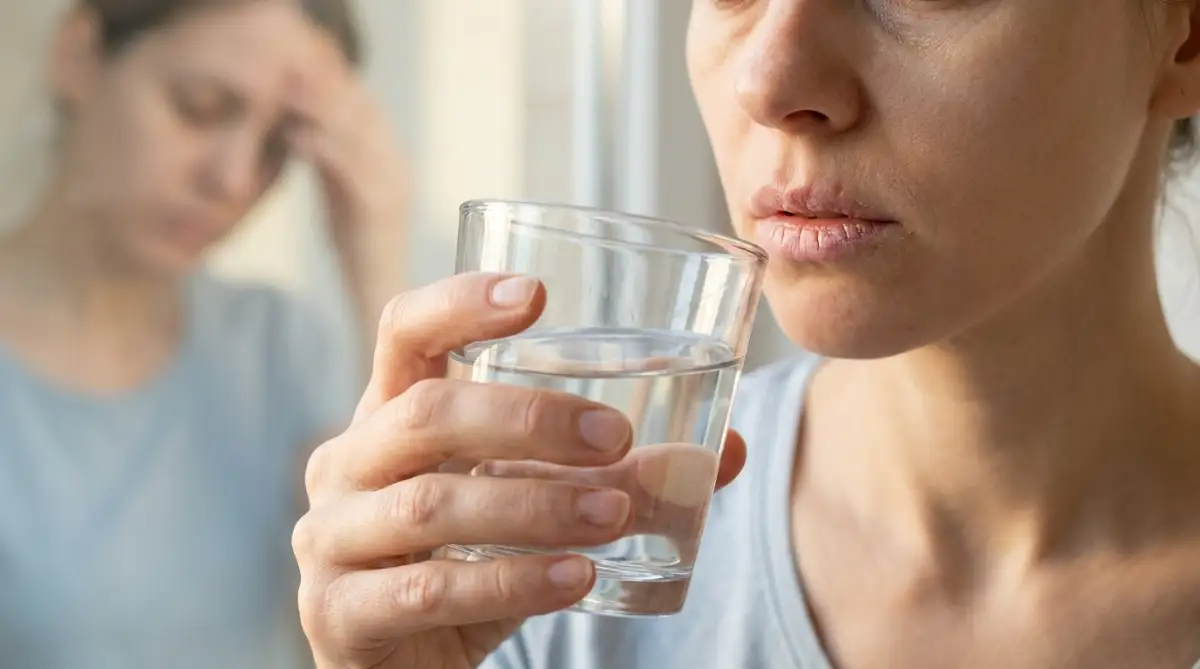
Easy-to-Miss Signs of Dehydration
Most people think dehydration only happens when you’re super thirsty after a workout or spending time in the sun. And yes, thirst is a big warning sign—but it’s not the only one your body gives you.
In reality, dehydration usually builds up slowly. The early signs can be so subtle that people often blame them on stress, poor sleep, aging, or just being busy. Because of that, many don’t realize their body actually needs more fluids.
Water is essential for pretty much everything your body does. It helps control body temperature, move nutrients around, support digestion, protect your organs, and keep your brain working properly. Even mild dehydration can mess with your energy, focus, and overall mood.
Once you know what to look for, it becomes much easier to catch dehydration early. This guide breaks down the hidden signs, why they happen, and simple ways to stay hydrated every day.
Why Hydration Matters More Than You Think
The problem starts when you lose more fluids than you take in over time.
Mild dehydration usually doesn’t hit you all at once. Instead, it slowly affects different parts of your body, which is why the signs are often easy to miss.
Kids, older adults, athletes, outdoor workers, and people with certain health conditions are more at risk—but honestly, dehydration can happen to anyone.
Early Signs That Often Go Unnoticed
Feeling Tired All the Time
If you’re getting enough sleep but still feel drained, dehydration could be part of the reason.
When you don’t have enough water, your heart has to work harder to keep blood moving properly. That extra effort can leave you feeling low on energy.
If fatigue shows up without a clear reason, it’s worth checking how much water you’ve been drinking.
Trouble Focusing
Ever feel like your brain just won’t cooperate?
Even mild dehydration can make it harder to concentrate, remember things, or stay mentally sharp. Your brain really depends on proper hydration to work well.
A lot of people describe this as “brain fog.”
Frequent Headaches
Headaches can come from many things, but dehydration is one people often forget about.
When your fluid levels drop, it can affect blood flow and lead to headache symptoms in some cases.
If a headache gets better after drinking water and resting, dehydration might have been the cause.
Dry Mouth Even When You’re Not Thirsty
Most people expect thirst to show up first, but that’s not always how it works.
You might notice a dry mouth, dry lips, or a scratchy throat before you actually feel thirsty.
Older adults especially may not feel thirst as strongly.
Darker Urine
Your urine color can give you a quick clue about hydration.
Light yellow usually means you’re well hydrated, while darker yellow or amber can mean you need more fluids.
That said, vitamins, foods, and medications can also change urine color, so it’s best to look at this along with other signs.
 Physical Changes You Might Not Link to Dehydration
Dry Skin
Dry skin doesn’t always mean dehydration—weather, skincare, and skin conditions can all play a role.
But not drinking enough water can sometimes make skin look dull or feel less elastic.
Muscle Cramps
Water helps keep your electrolytes balanced, which your muscles need to work properly.
When you’re low on fluids, cramps can happen more easily, especially during exercise.
Faster Heartbeat
If your body has less fluid, your blood volume drops, and your heart may beat faster to compensate.
This can happen for many reasons, but dehydration is one possible cause, especially after sweating a lot or being sick.
Feeling Dizzy When Standing Up
Getting a little dizzy when you stand up quickly can happen sometimes.
But if you’re dehydrated, your blood pressure may drop briefly when you change positions, which can make you feel lightheaded.
If dizziness keeps happening or feels severe, it’s best to check with a healthcare professional.
Everyday Habits That Can Increase Dehydration Risk
A lot of daily habits can quietly lead to fluid loss, like:
- Spending long hours in hot weather
- Exercising without drinking enough water
- Drinking too much alcohol
- Having lots of caffeine without balancing it with water
- Forgetting to drink during busy workdays
- Recovering from fever, vomiting, or diarrhea
Once you notice these patterns, it becomes easier to stay ahead of dehydration.
Who Should Be Extra Careful?
Some people need to pay more attention to hydration than others.
Older adults may not feel thirsty as much.
Young kids can get dehydrated faster because of their smaller bodies.
Athletes and active people lose a lot of fluid through sweat.
Outdoor workers may be losing water all day without realizing it.
People with certain health conditions or those on medications that increase urination should also be extra mindful.
Common Myths About Dehydration
Myth: You Always Feel Thirsty First
Reality: Early signs can show up before thirst kicks in.
Myth: Coffee Always Dehydrates You
Reality: For most people, moderate coffee still counts toward fluid intake.
Myth: Only Hot Weather Causes Dehydration
Reality: Cold weather, indoor heating, illness, and exercise can all cause fluid loss.
Myth: You Always Need Sports Drinks
Reality: Most of the time, plain water is enough unless you’re doing intense, long workouts.
Simple Ways to Stay Properly Hydrated
Staying hydrated doesn’t have to be complicated.
Keep a water bottle with you during the day.
Try to drink regularly instead of waiting until you feel thirsty.
Eat water-rich foods like cucumbers, watermelon, oranges, strawberries, lettuce, tomatoes, and celery.
Drink more water when it’s hot or after exercise.
Pay attention to urine color as a simple check.
Small, steady habits work way better than trying to chug a lot of water at once.
When Dehydration Becomes a Medical Emergency
Mild dehydration is usually easy to fix with water and rest.
But severe dehydration is serious and needs medical help right away.
Get urgent care if someone has:
- Confusion
- Fainting
- Extreme weakness
- Very little or no urination
- Rapid breathing
- Ongoing vomiting
- Can’t keep fluids down
- Signs of heat illness
Kids and older adults should be checked quickly if symptoms look severe.
Building Better Hydration Habits Every Day
Staying hydrated is one of the easiest ways to support your health, but it’s also something people often forget about.
Once you start noticing the early signs—like fatigue, headaches, dry mouth, trouble focusing, dizziness, or dark urine—you can act before things get worse.
Everyone’s hydration needs are a little different depending on age, activity level, weather, and health. But building simple daily habits, eating water-rich foods, and listening to your body can go a long way.
Small choices every day really do add up, and staying hydrated is one of those simple habits that helps you feel better from morning to night.
Smart Hydration Strategies for Different Stages of Life
Hydration needs aren’t the same for everyone. Age, lifestyle, climate, and overall health all play a role in how much fluid your body needs each day. Instead of sticking to one strict rule, it’s better to build hydration habits that actually fit your daily life.
Children
Kids can get so caught up in playing that they completely forget to drink water. Since their bodies hold more water than adults and they can lose it faster, it’s important for parents and caregivers to remind them to take regular water breaks—especially when they’re outside or playing sports.
You can also sneak in extra hydration with water-rich foods like watermelon, oranges, cucumbers, grapes, and strawberries.
Older Adults
As we get older, thirst doesn’t always show up as clearly. Some older adults might not even realize they’re dehydrated until they start feeling symptoms.
Having a water bottle nearby, sipping water throughout the day, and adding hydrating foods to meals can make it a lot easier to stay on top of hydration.
Active Adults
Working out naturally makes you lose fluids through sweat. The more intense or longer the workout, the more important it is to replace what you lose.
Try drinking water before exercise, taking small hydration breaks while you’re active, and rehydrating afterward to help your body recover and avoid dehydration.
Hydration During Illness
Some illnesses can drain your fluids way faster than normal.
Fever, vomiting, or diarrhea can cause quick loss of both water and electrolytes. When that happens, staying hydrated becomes even more important than usual.
If someone can’t keep fluids down, keeps vomiting, or shows signs of serious dehydration, it’s important to get medical help right away.
Foods That Naturally Support Hydration
Water is still the best way to hydrate, but plenty of foods can help you get extra fluids throughout the day.
Good options include:
- Watermelon
- Cucumber
- Lettuce
- Tomatoes
- Celery
- Oranges
- Grapefruit
- Strawberries
- Bell peppers
- Zucchini
These foods are packed with water and nutrients, so they’re a great addition to a healthy diet.
Soups, broths, and unsweetened yogurt also help with hydration while giving you extra nutrition.
 Signs Your Daily Routine May Need More Fluids
A lot of people think dehydration only happens in extreme heat or after intense workouts—but that’s not always the case. Everyday habits can also increase your fluid needs.
You might need to pay more attention to hydration if you:
- Spend long hours in air-conditioned spaces
- Work outdoors
- Travel often
- Exercise regularly
- Live in a hot climate
- Drink alcohol
- Have several caffeinated drinks a day
- Are recovering from illness
- Do physically demanding work
Knowing these triggers helps you stay ahead instead of waiting until you feel dehydrated.
Healthy Habits That Make Staying Hydrated Easier
Staying hydrated doesn’t have to be complicated or require big lifestyle changes.
Try tying water intake to things you already do. For example, drink a glass of water when you wake up, before meals, and when you get home.
Keeping a reusable water bottle with you is an easy way to remind yourself to sip throughout the day.
If plain water feels boring, you can add natural flavor with lemon, lime, cucumber, or fresh mint.
You can also set phone reminders if you tend to get busy and forget.
Common Hydration Mistakes
Even when people know hydration is important, a few common habits can still lead to dehydration.
Waiting Until You Feel Very Thirsty
Thirst is a sign your body needs water, but it’s better not to rely on it alone.
Drinking steadily throughout the day works better than trying to catch up later.
Drinking Large Amounts All at Once
Some people barely drink during the day and then chug a lot of water at once.
It’s usually more comfortable—and more effective—to sip regularly instead.
Ignoring Fluid Loss During Exercise
You still lose fluids when you sweat, even if it’s not super hot outside.
Replacing those fluids after exercise helps your body recover properly.
Forgetting That Foods Contribute to Hydration
Fruits, vegetables, soups, and other water-rich foods all help you stay hydrated too—not just drinks.
Frequently Asked Questions
How can I tell if I'm drinking enough water?
There’s no one-size-fits-all answer. Your needs depend on things like activity level, weather, age, and health. Paying attention to thirst and urine color can help guide you.
Can you drink too much water?
Yes, although it’s not very common. Drinking too much water too quickly can throw off your body’s electrolyte balance. The safest approach is to drink based on your needs and follow medical advice when needed.
Are all drinks equally hydrating?
Many drinks count toward hydration, but water is usually the best everyday choice since it has no added sugar and supports normal body function.
Does cold weather reduce dehydration risk?
Not really. You can still get dehydrated in cold weather, especially if you’re active outdoors or spending time in heated indoor spaces.
Is thirst always a reliable warning sign?
Not always. Kids and older adults, in particular, may not notice thirst right away, so regular drinking is important.
Creating Long-Term Hydration Habits
Good hydration isn’t about strict rules or tracking every sip—it’s about building simple habits you can stick with.
Small things make a big difference: drinking water with meals, carrying a bottle, eating water-rich foods, and increasing fluids when it’s hot or you’re active.
It also helps to notice how you feel. More energy, better focus, and fewer dehydration symptoms are all good signs your habits are working.
Over time, these small actions become second nature and support your overall health without much effort.
A Simple Habit That Supports Your Overall Well-Being
Dehydration doesn’t always start with strong thirst. Early signs can be subtle—like tiredness, headaches, trouble focusing, dry mouth, muscle cramps, or dizziness.
Water is great, but hydration also comes from food and everyday habits. When you make it a regular part of your routine instead of something you only think about later, your body functions better throughout the day.
Disclaimer: This article is for educational and informational purposes only and isn’t medical advice. Hydration needs vary from person to person based on age, activity level, environment, and health conditions. If you experience severe dehydration symptoms, ongoing vomiting, confusion, fainting, or other serious concerns, seek help from a qualified healthcare professional.